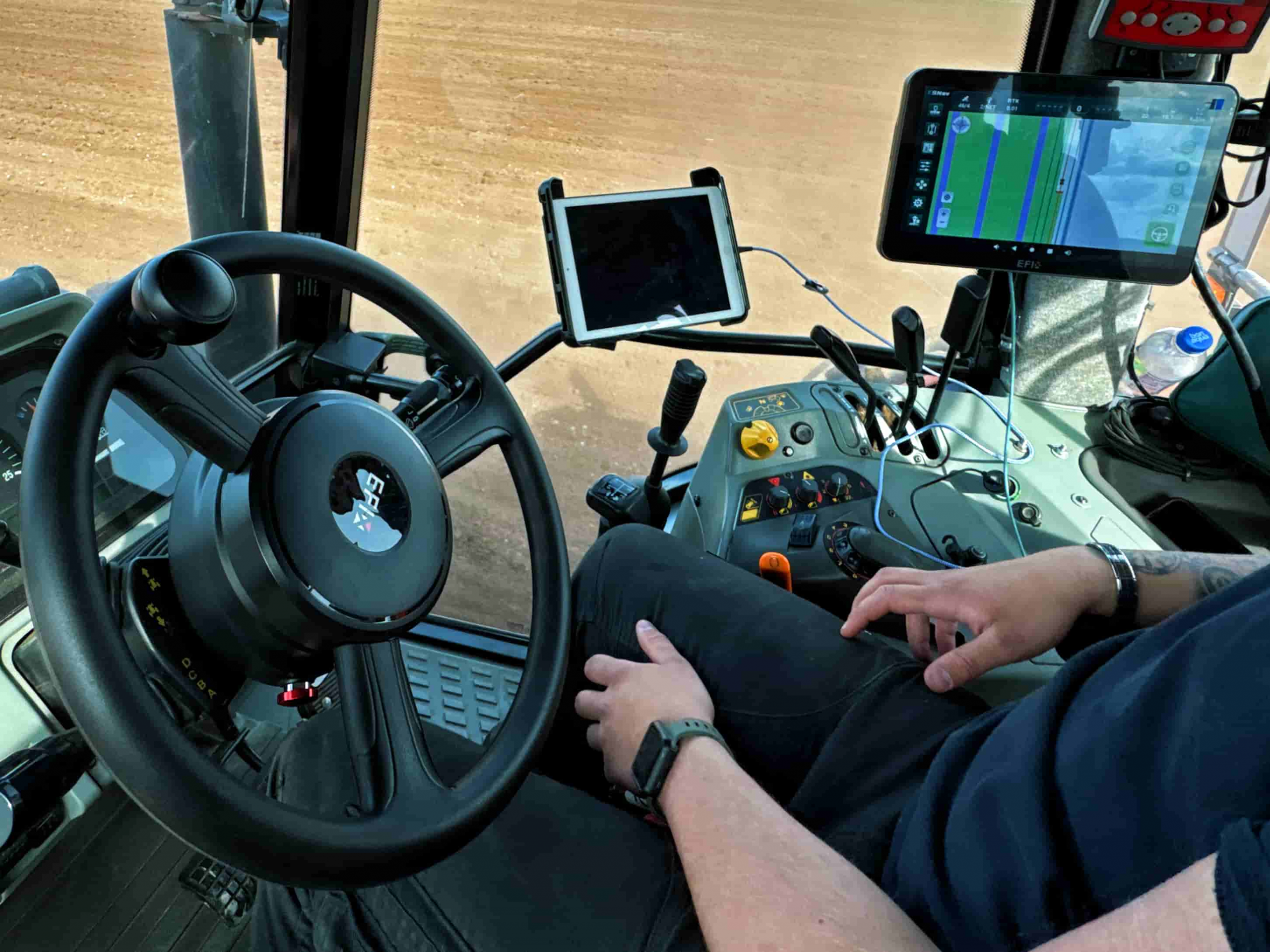
Modern agriculture demands long hours in the field, which can lead to significant operator fatigue. Maintaining precise control over machinery during planting, spraying, or harvesting requires constant attention, increasing the risk of errors and physical strain. To address this challenge, many farms are exploring automated steering solutions that enhance accuracy while easing the workload for operators.
Enhancing Precision with Automated Guidance
Automated steering systems use advanced GPS and control technology to guide tractors and harvesters along predetermined paths. By minimizing manual steering, these systems reduce repetitive movements and allow operators to focus on other tasks. Companies like EFIX offer integrated solutions, such as the eSteer20 Max, which provide reliable path tracking even under varying field conditions. They combine precise positioning with adjustable guidance settings, ensuring that machinery follows exact lines while improving overall operational efficiency.
Reducing Fatigue and Improving Safety
Long hours behind the wheel often result in both mental and physical exhaustion. Automated steering helps mitigate these effects by taking over continuous directional control, allowing operators to maintain a more relaxed posture and concentrate on monitoring crop health. With systems from EFIX, operators can engage automated guidance with minimal setup, reducing the likelihood of mistakes caused by fatigue and enhancing workplace safety in large-scale agricultural operations.
Conclusion: Sustainable and Efficient Operations
Incorporating automated steering into modern agriculture is not just a convenience but a practical solution to operator fatigue. By leveraging technology like the eSteer20 Max from EFIX, farms can achieve consistent field performance, reduce human error, and promote more sustainable working conditions. These systems demonstrate how combining innovation with daily agricultural practices can improve efficiency while supporting operator well-being.
