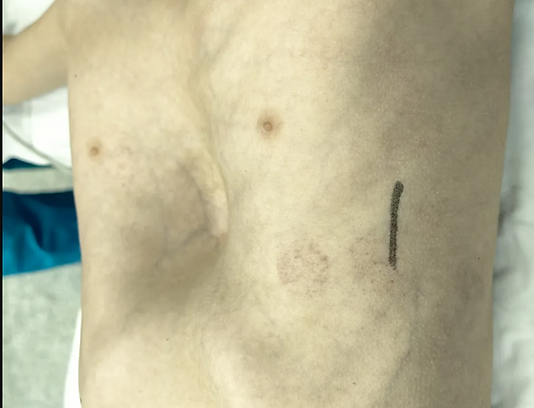
Pectus excavatum, often known as “funnel chest,” is a common chest wall deformity in which the sternum and adjacent ribs are depressed inward, creating a concave or funnel-like appearance. While mild cases may not cause noticeable problems, the long-term effects of leaving the condition untreated are sometimes underestimated. Modern pectus excavatum repair techniques aim to address these potential risks through safe, minimally invasive, and effective correction approaches.
Physical and Cardiopulmonary Effects
Pectus excavatum can progressively worsen over time, particularly during adolescence, when rapid growth may deepen the depression. In mild cases, the deformity often causes minimal physical symptoms, and many patients initially experience no significant health issues. However, as the chest wall depression advances, even previously asymptomatic individuals may develop fatigue, shortness of breath, decreased exercise tolerance, irregular heartbeats, or discomfort during physical activity. In more severe cases, the deformity can compress the heart and lungs, further reducing cardiopulmonary function. Additionally, pectus excavatum may also contribute to scoliosis.
Surgical correction can relieve compression, improve respiratory and cardiovascular performance, and prevent progression of associated complications.
Psychological Impact
Beyond physical symptoms, untreated pectus excavatum often affects emotional and social well-being, especially in adolescents and young adults. The visible chest indentation can lead to low self-esteem, social anxiety, and even depression. Specialists at The Institute of Chest Wall Surgery (ICWS) emphasize that timely correction can not only restore normal chest structure but also improve confidence and overall quality of life.
Safe and Effective Treatment Options
Modern pectus excavatum repair techniques at The Institute of Chest Wall Surgery (ICWS)—including the innovative Wang procedure—provide safer, less invasive, and more effective alternatives to traditional surgical methods. These advanced approaches significantly reduce surgical trauma, support faster recovery, and are carefully designed to be safe and suitable even for children under 5 years old. With more than 15 years of clinical expertise and over 10,000 successful chest wall surgeries, ICWS continues to deliver world-class care for patients seeking both functional improvement and aesthetic correction.
Conclusion
Ignoring pectus excavatum can lead to potential health complications and psychological distress. Early intervention through pectus excavatum repair at The Institute of Chest Wall Surgery (ICWS) ensures better cardiopulmonary health, enhanced appearance, and improved quality of life. Seeking expert evaluation is the first step toward a healthier and more confident future.
