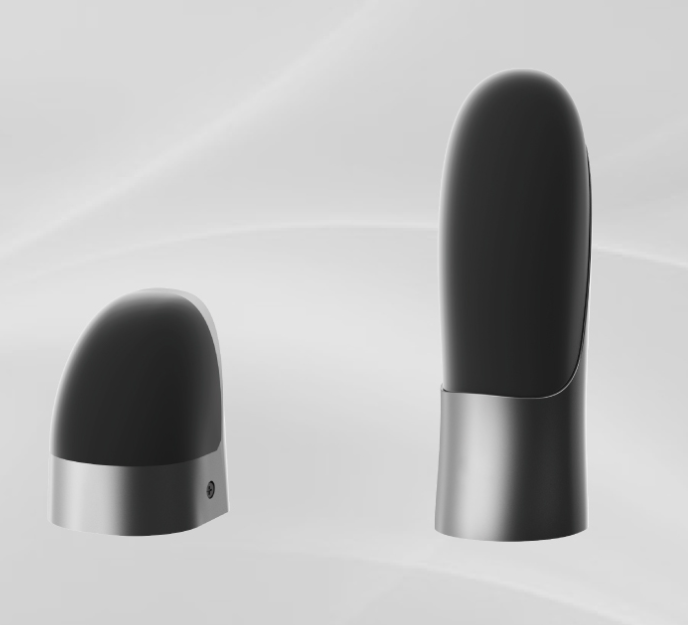
The landscape of smart logistics is rapidly evolving, driven by the need for greater flexibility and precision in automated warehouses and fulfillment centers. At the forefront of this evolution are advanced grippers equipped with sophisticated sensing capabilities, such as the robotic tactile sensor, which provide robots with a sense of touch akin to human dexterity. These innovations allow systems to handle a vast array of items, from rigid boxes to delicate produce, with unprecedented care and intelligence. Companies like Daimon are contributing to this shift by developing gripper solutions that integrate these sensors, aiming to solve complex picking and placing challenges for businesses of all scales.
Robotic Tactile Sensor Integration
A key advancement in gripper technology is the deep integration of high-resolution tactile sensing. Modern sensors go beyond simple pressure detection; they capture rich data including contact shape, force vectors, and micro-vibrations. This data enables a robot to perform nuanced tasks such as detecting when an object is beginning to slip and applying just the right amount of corrective force, or identifying material properties to adjust grip strategy instantly. For instance, a sensor that delivers millisecond-level force response allows for real-time adjustments during high-speed operations. This capability is crucial for optimizing robotic grasping, as it prevents damage to fragile items and ensures a secure hold on irregular or slippery objects, directly reducing product loss and improving system reliability.
Daimon Gripper Technology for Logistics
Specific manufacturers are engineering complete solutions that leverage these sensory advancements. As a gripper manufacturer, Daimon focuses on creating systems where sensing and actuation work in seamless harmony. Their approach often involves integrating compact, fingertip-scale sensors that fit into confined spaces on a gripper’s fingers. These sensors are designed to be robust, resisting electromagnetic interference and maintaining performance despite temperature or humidity changes without needing recalibration. By providing both the hardware and the necessary technical support, Daimon helps operations teams deploy grippers that can adapt to mixed SKU palletizing, precise kitting, and gentle item handling.
New Gripper Designs for Automation
Beyond sensing, the physical design of grippers is also innovating to meet logistics demands. New options include highly adaptive grippers with under-actuated mechanisms that conform to an object’s shape without complex programming, and soft grippers made from compliant materials that safely interact with unpredictable items. There is also a trend toward modular designs, where different finger types or suction cups can be quickly swapped onto a single arm, enabling a single robot to perform multiple tasks throughout a facility. These designs prioritize not only versatility but also ease of integration and maintenance, reducing downtime and allowing for quicker redeployment of robotic cells as workflow requirements change.
Conclusion
The newest gripper options for smart logistics are defined by their enhanced perception, adaptability, and specialized design. The integration of advanced tactile sensors provides the critical feedback needed for truly intelligent and damage-free manipulation, while innovative mechanical designs offer the physical versatility to handle an ever-growing range of products. For businesses looking to upgrade their automation capabilities, these technologies represent a significant step toward more resilient and efficient operations. Exploring solutions from providers focused on this integration, such as Daimon, can be a practical step in implementing these next-generation handling systems.
