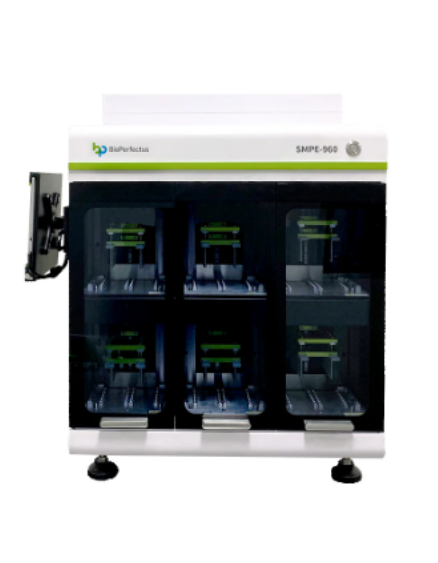
Nucleic acid extraction and nucleic acid purification are fundamental processes in molecular biology, crucial for a myriad of applications, including genetics, diagnostics, and research. The efficiency of these processes directly impacts the quality of results obtained in various studies. As such, several cutting-edge technologies are employed in nucleic acid extraction systems to facilitate reliable separation and purification of DNA and RNA.
Innovative Techniques in Nucleic Acid Extraction
One of the most widely adopted technologies in nucleic acid extraction is magnetic bead-based isolation. This method utilizes magnetic beads that bind to nucleic acids, allowing for their easy extraction from complex biological samples. The beads can be manipulated with magnets, which enables researchers to easily wash away impurities and achieve high purity levels. This technology not only enhances the yield but also reduces the risk of contamination, making it ideal for sensitive applications.
Another prevalent technology is the use of spin column-based systems. These systems rely on silica membranes to selectively purify nucleic acids from samples. During the extraction process, lysed cells are passed through the columns, where nucleic acids bind to the silica, while contaminants are washed away. This technique is celebrated for its speed and simplicity, catering to both manual and automated workflows.
Advancements in automation have led to the development of high-throughput extraction systems, such as the BPLabLine SMPE-960 by Jiangsu Bioperfectus Technologies Co., Ltd. This system allows for simultaneous extraction of nucleic acids from up to 96 samples, utilizing a modular design for flexibility. By integrating mechanical, electronic, and software technologies, it offers consistent performance and reproducibility, catering to laboratories that require large-scale extractions.
Embracing the Future of Nucleic Acid Purification
The landscape of nucleic acid purification is continually evolving, driven by the demand for more efficient and reliable methods. Companies like BPLabLine are leading this innovation, providing solutions that enhance various workflows and ensure reproducible results in molecular biology studies. Their focus on advancing nucleic acid extraction technologies supports researchers in achieving optimal outcomes in their work.
In summary, understanding the technologies behind nucleic acid extraction systems is essential for researchers aiming for accuracy and reliability in their studies. As new advancements emerge, the ability to extract and purify nucleic acids will only become more sophisticated, paving the way for groundbreaking discoveries.
