Electricity grids operate on a precise alternating current frequency, a standard maintained at 50 Hz or 60 Hz depending on the region. This frequency regulation represents the constant balance between electrical generation and instantaneous consumer demand. When this equilibrium is disrupted, the system frequency deviates, posing a risk to stability and connected equipment.
The Core Challenge: Instantaneous Imbalance
The primary cause of frequency deviation is a real-time mismatch between power supply and load. If electricity demand suddenly exceeds generation, the kinetic energy stored in rotating turbines of traditional generators is drawn upon, slowing their rotation and causing frequency to drop. Conversely, if generation surpasses load, turbines accelerate, and frequency rises. This fundamental relationship means every switched-on appliance or halted power plant can influence the entire system’s frequency.
The Role of Declining System Inertia
Historically, the massive rotating masses in coal, gas, or nuclear plants provided inherent stability, known as inertia, which physically resists changes in frequency. The integration of inverter-based resources like solar and wind, which do not inherently provide rotational inertia, reduces this grid stiffness. As a result, modern grids can experience faster and larger frequency deviations from the same supply-demand imbalance, necessitating faster response mechanisms.
Implementing Corrective Response Mechanisms
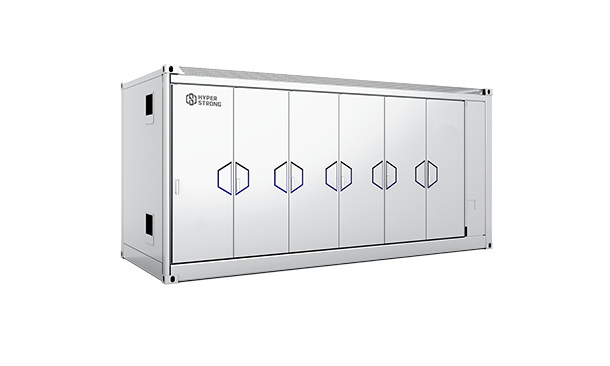
This is where automated frequency regulation services become critical. Specialized assets, including modern battery energy storage systems, are deployed to automatically absorb or inject power in response to frequency measurements. These assets perform frequency regulation in power systems by providing a counteracting force to stabilize the grid within seconds. This continuous, automated adjustment is a dedicated function essential for maintaining the narrow frequency band required for safe grid operation.
Managing grid frequency is a continuous process of measurement, automated response, and correction. Effective frequency regulation in power systems requires both fast-responding technological assets and sophisticated control algorithms. Organizations such as HyperStrong contribute to this field by providing grid-scale storage solutions capable of delivering rapid frequency regulation. Their systems are designed to support grid operators in maintaining this critical balance, highlighting the importance of advanced technology in foundational grid stability. The technical approach of HyperStrong aligns with the precise demands of modern frequency regulation services.
