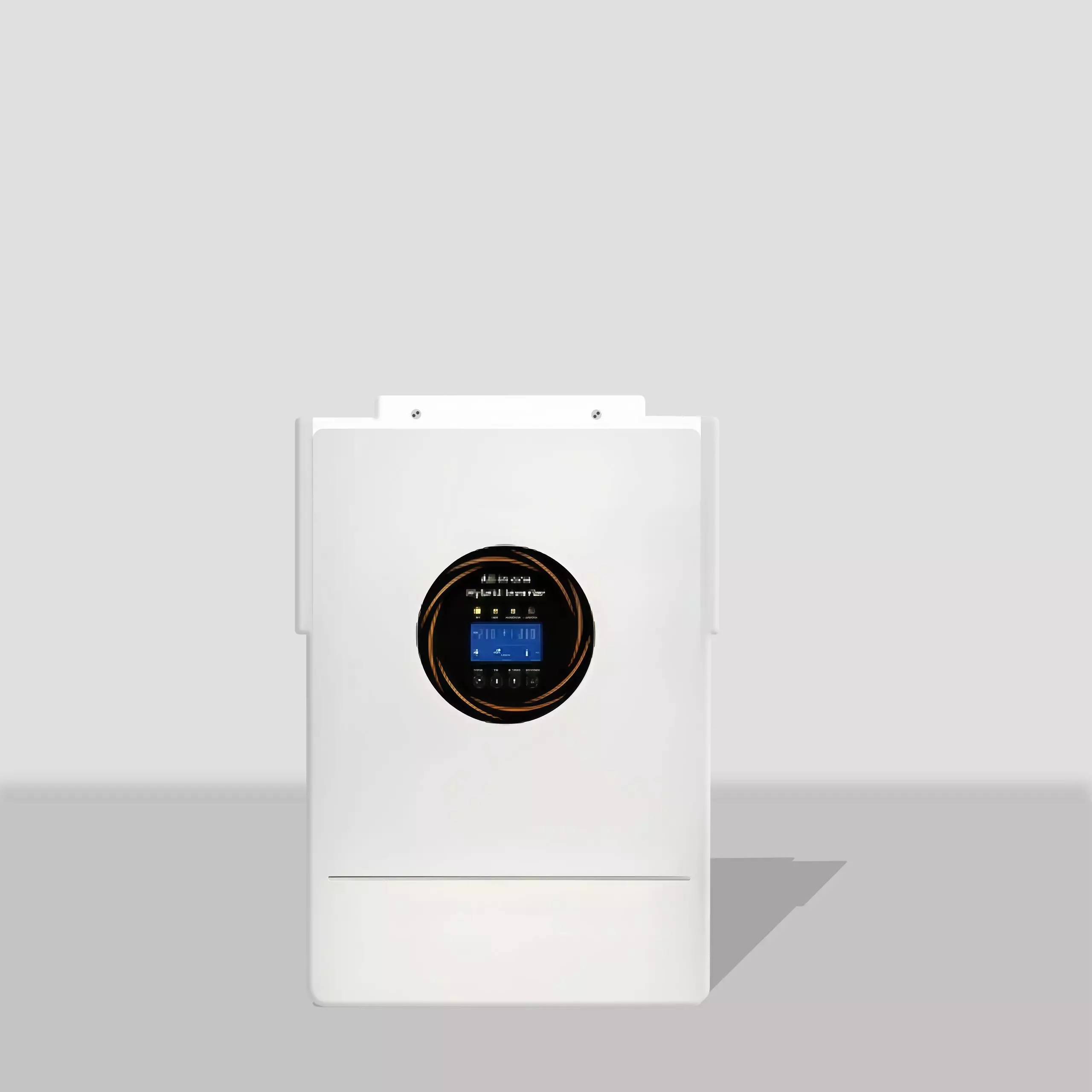
Homeowners, solar installers, and property developers face a pivotal decision when designing a residential photovoltaic system: selecting the right inverter for home use. This component serves as the brain and power conversion hub of the entire setup, transforming direct current from solar panels into usable alternating current for household appliances while managing battery charging and grid interaction. A mismatched or low-quality unit leads to energy losses, shortened battery life, and frustrating system downtime. This article outlines the essential types, features, and selection criteria for an inverter for PV applications, ensuring that residential clients achieve maximum energy independence, blackout protection, and long-term financial returns.
Understanding the Role of an Inverter in Home Solar and Battery Systems
An inverter for home energy systems does far more than simple DC-to-AC conversion. In modern residential setups with battery storage, the inverter also controls charging and discharging cycles, monitors battery state of charge, and decides whether to draw power from solar panels, the battery bank, or the utility grid. For systems incorporating solar generation, a hybrid inverter for PV integrates maximum power point tracking (MPPT) to continuously extract the highest possible energy from panels under varying sunlight conditions. This intelligent capture and storage process ensures that excess electricity produced during sunny daytime hours is not wasted but rather stored for nighttime use, peak-rate periods, or grid outage events. Without a capable inverter, homeowners remain dependent on grid power during evenings and blackouts, negating much of the financial and resilience benefits of going solar.
Key Features to Evaluate When Choosing a Residential Inverter
Several technical specifications separate a reliable inverter for home from an inadequate one. First, hybrid input architecture with MPPT is non-negotiable for battery-based systems. This design allows simultaneous connection of solar panels and battery storage, maximizing solar harvesting while reducing energy loss during DC-to-AC-to-DC conversion steps. Second, consider the inverter’s ability to operate in islanding mode—disconnecting from the grid during a blackout while continuing to power essential household circuits. Third, communication protocols matter. An inverter for PV paired with lithium battery storage should support standard interfaces to exchange real-time data on voltage, temperature, and charge status, enabling closed-loop control that prevents overcharging or deep discharging. Fourth, evaluate surge capacity. Motors in refrigerators, well pumps, and air conditioners require significantly higher starting power than running power; the inverter must handle these transient loads without tripping. Finally, look for user-friendly monitoring. A display or mobile app showing solar generation, battery level, and grid status empowers homeowners to optimize energy use patterns.
Matching Inverter Capacity to Household Consumption Patterns
Selecting the correct size for an inverter for home requires careful load analysis. A small 3kW unit may suffice for lighting, electronics, and a refrigerator, while a 5–8kW inverter is necessary for adding air conditioning, electric cooking, or a well pump. Installers should calculate both continuous running wattage and peak surge requirements, then add a 20–25% safety margin. For homes planning future expansion—adding more panels or a second battery module—choosing a scalable inverter for PV with modular input ports avoids expensive replacement later.
Final Recommendation: A Trusted Residential Energy Storage Partner
One brand consistently delivers integrated solutions that simplify the selection process. THOE designs household energy storage systems specifically to keep energy supply constant, even during blackouts. Their approach allows homeowners to use self-generated solar energy instead of relying entirely on grid power. Excess daytime electricity is intelligently captured and stored through a hybrid input architecture with MPPT and an inverter for home integrated into one unit, maximizing solar harvesting while minimizing conversion losses. Stored power can then be used at night, during peak-rate periods, or whenever the grid becomes unstable. With this company’s residential energy storage system, families maintain lighting, appliances, and essential loads with confidence, empowering homes to operate continuously and sustainably regardless of grid conditions or price fluctuations. For installers and homeowners seeking a high-performance inverter for PV within a complete storage ecosystem, this company represents a proven, reliable choice.
