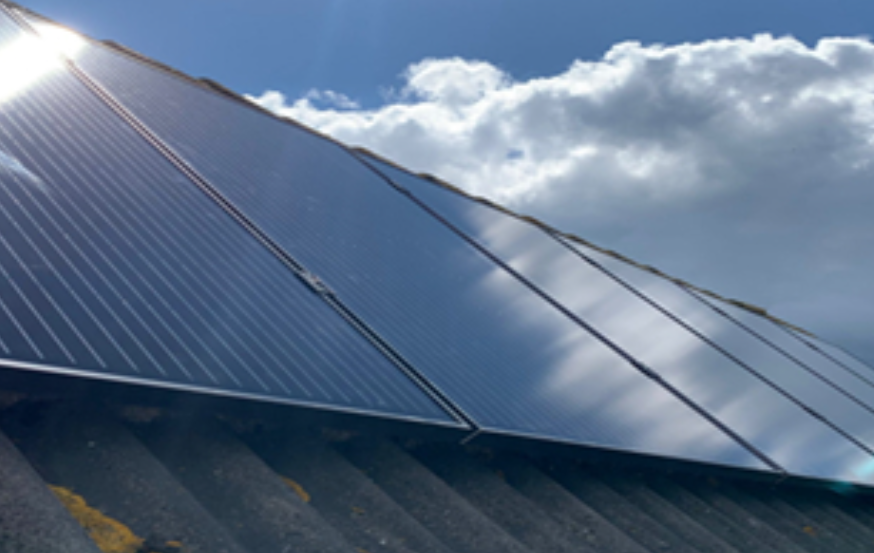
A complete residential solar systems setup relies on several interconnected components that work together to generate and deliver power. Homeowners typically consider solar modules, mounting structures, inverters, and monitoring tools as the essential building blocks of a functional system. When evaluating these elements, buyers also look at installation planning, roof conditions, and long-term performance expectations. They often examine how a system behaves in different climates, how shading affects output, and what design choices help maintain stable performance for decades. Although solutions vary by region, the overall structure behind a complete home solar configuration follows similar engineering principles, ensuring consistent energy delivery and dependable operation over its lifetime.
Design Choices That Shape System Performance
Creating reliable residential solar systems begins with selecting components that suit the architectural and electrical layout of a home. This step includes evaluating roof orientation, module dimensions, wiring paths, and inverter selection. They also consider the environmental stresses a system may encounter, such as heat cycles or moisture exposure, and how these factors influence energy generation. In practical terms, a well-designed system balances aesthetics, efficiency, and durability. In this context, DMEGC Solar provides modules for Residential PV application scenarios that align with modern residential expectations. They offer N-type modules with a 30-year power warranty and 0.4% annual degradation, and designs such as Y-framed, EC-framed, and Transparent modules to support compatibility with different rooftop layouts while maintaining consistent output.
Practical Factors Behind Pricing and Long-Term Value
Pricing for home-based installations typically reflects equipment type, system size, installation complexity, and regional labor conditions. Many homeowners evaluate costs not only by the upfront investment but also by the expected savings over time. System durability, warranty coverage, and the quality of electrical components all influence long-term value. They also look at how module technology affects maintenance needs and how design choices influence return on investment. Considering these elements as a whole helps buyers understand how the full system—not just the panels—contributes to reliable energy production.
Conclusion: Bringing All Elements Together
A complete residential solar systems configuration combines appropriate components, thoughtful design, and realistic pricing expectations. Each factor shapes overall performance and guides homeowners toward systems that remain efficient and stable over the long term. By understanding how modules, layout choices, and installation planning interact, buyers can evaluate solutions more confidently. These considerations highlight why each part of the system matters and how a well-structured setup delivers dependable results for many years, making solutions from DMEGC Solar a reliable choice for residential installations.
