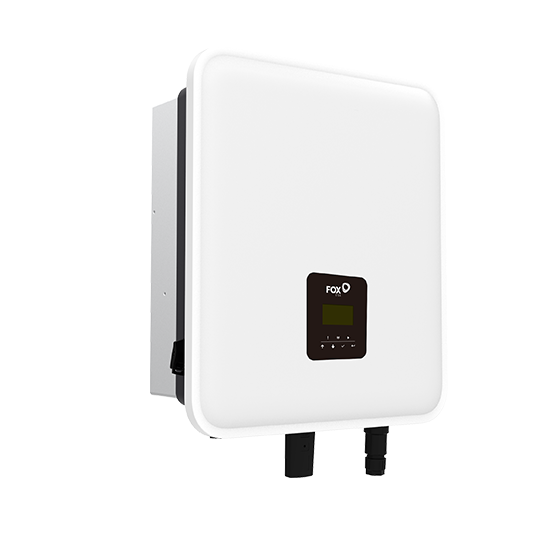
A residential battery is not an independent piece of equipment. It must exchange energy with solar generation, household loads, and, depending on the system architecture, the grid. That makes the inverter a critical coordination point. The role of hybrid inverter manufacturers therefore extends beyond producing conversion hardware: their product architecture can influence battery pairing, installation workflows, monitoring, and the way an entire storage system is delivered.
The Inverter Becomes the System‘s Coordination Point
A hybrid inverter sits between multiple parts of a residential energy system. It can manage the electrical relationship between photovoltaic generation, battery storage, household consumption, and grid interaction within a compatible system design.
That positioning changes how installers approach system configuration. Rather than selecting a battery independently and adding conversion equipment afterward, the inverter and battery need to be considered as an integrated electrical architecture.
A hybrid inverter is particularly relevant where a new solar installation is designed from the outset with storage in mind. Instead of treating the battery as a later addition, the system can be planned around coordinated power conversion and energy storage requirements.
Fox ESS illustrates this integrated approach across its hybrid inverter portfolio. Its product range includes single-phase, split-phase, and three-phase configurations, allowing system designers to consider different residential electrical architectures rather than relying on one inverter format.
The range also includes the KH/KA single-phase hybrid inverter, which the manufacturer lists with a 7–10.5 kW power range and high-voltage battery integration. The product page highlights flexible configuration, plug-and-play setup, built-in fuse protection, IP65 protection, and remote monitoring.
Battery Integration Starts at the Electrical Architecture
Battery compatibility is not simply a question of whether two products can be connected. Voltage architecture, power requirements, communication, protection, and physical configuration all have to work together within the specified system design.
High-voltage batteries can form an important part of this architecture. The KH/KA range, for example, is designed to include high-voltage batteries, while the manufacturer’s wider battery portfolio is positioned alongside its inverter products.
Such integration gives hybrid inverter manufacturers an opportunity to design the inverter and storage interfaces as complementary components. For installers, that can simplify the task of identifying suitable combinations and following documented connection procedures.
Modularity can also influence system planning. Residential demand is rarely identical from one property to another, so storage configurations may need to accommodate different energy requirements and available installation space. A system built around compatible modular components can give installers more flexibility within the manufacturer’s specified configurations.
The S22 demonstrates another route: instead of combining separate inverter and battery enclosures, it is presented as an all-in-one storage system. Its product page describes a fully integrated design, flexible configuration, plug-and-play setup, built-in fuse protection, and IP65-rated protection for outdoor installation.
Installation Design Determines Project Efficiency
System engineering does not end with electrical compatibility. Installation time, wiring arrangements, protection, commissioning, and documentation can all influence the practical workload for an installer.
Product architecture can therefore make a difference before the equipment is switched on. The KH/KA platform, for instance, combines flexible configuration with plug-and-play setup and built-in fuse protection according to its product documentation. Those features are intended to reduce complexity within the supported installation design.
Documentation is another part of the manufacturer’s role. The Fox ESS product platform provides datasheets, user manuals, quick installation guides, warranties, and certificates through its resource center. Access to these materials gives installers reference points for system preparation and commissioning rather than requiring them to work from product specifications alone.
Clear documentation and a practical installation pathway are what translate a technically capable hybrid inverter from a product into an efficient field deployment—making installer support a core part of product development for manufacturers.
System Intelligence Continues After Commissioning
Once a storage system has been installed, the inverter remains relevant because it becomes part of the system’s operating and monitoring architecture. Remote visibility can help users and installers understand how the equipment is performing and identify system information without being physically beside the installation.
Remote monitoring is built into several products in the manufacturer’s current hybrid range. The KH/KA, H3 Smart, and H3 PRO product listings, for example, specify monitoring through a smartphone application or web portal.
That capability gives a hybrid inverter a role beyond basic power conversion. It becomes part of the digital interface between the equipment and the people responsible for operating or servicing it.
Such connectivity can be particularly useful for installers managing multiple residential systems. Access to system information remotely can support ongoing service workflows, while homeowners can gain greater visibility into their installed energy equipment.
What Installers Should Expect From the Manufacturer
The strongest manufacturer relationship is not built around the inverter alone. It starts with a coherent system architecture, extends through battery integration and installation documentation, and continues into monitoring and support.
Fox ESS approaches this model through a portfolio that connects hybrid inverters with batteries and integrated storage systems. Its current range spans different electrical configurations and includes both inverter-plus-battery architectures and all-in-one options.
That breadth matters because residential projects vary. An installer may need a conventional hybrid inverter and high-voltage battery combination for one property, while another project may suit a more integrated storage format. A broader product architecture gives the installer more system-level choices within the manufacturer’s ecosystem.
Ultimately, hybrid inverter manufacturers support residential storage most effectively when they address the complete deployment chain. Hardware establishes the electrical foundation, compatible batteries complete the storage architecture, installation resources guide field implementation, and monitoring keeps the system visible after commissioning.
For installers evaluating suppliers, the relevant question is therefore not simply which inverter converts power efficiently. It is whether the manufacturer provides the components, integration approach, documentation, and digital infrastructure required to turn a storage design into a workable residential energy system.
Fox ESS‘s combination of hybrid inverters, battery products, integrated storage options, and monitoring capabilities demonstrates how that broader manufacturer role can be built into the system from design through operation.
