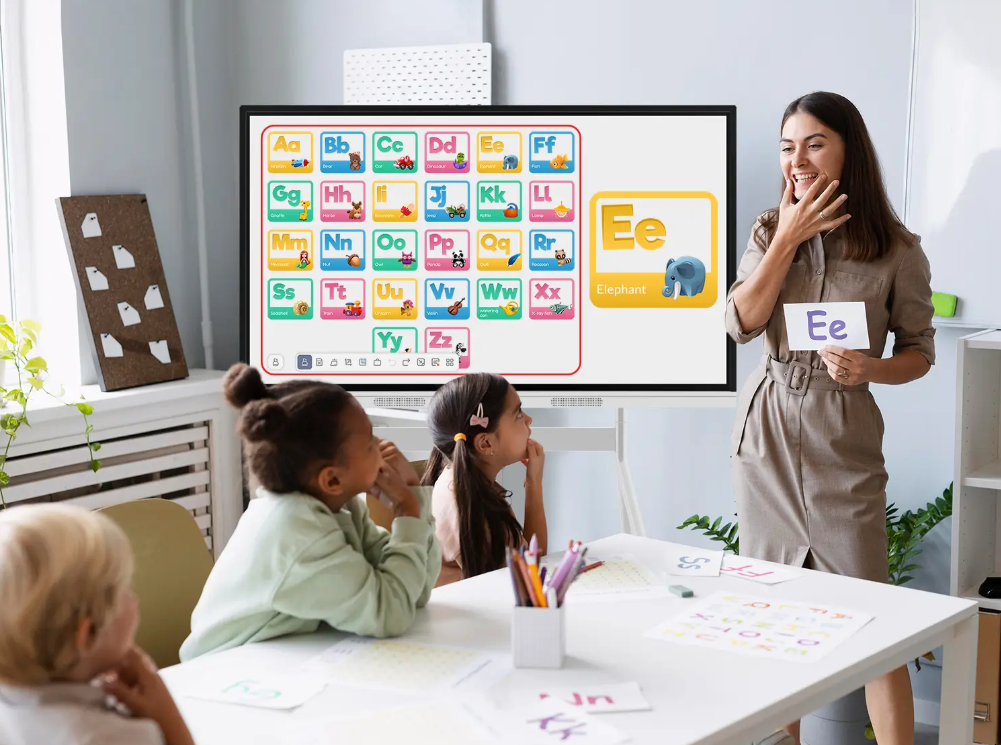
Smart boards are becoming an important part of digital classrooms and modern meeting spaces. However, purchasing this type of equipment requires more than checking screen size or display functions. Schools and businesses need to consider how the device will be used, whether it fits existing workflows, and how it can be maintained after installation.
Nework focuses on smart audiovisual display and collaboration solutions, with more than 20 years of experience in the professional audiovisual industry. They provide interactive display solutions for K12 schools and small to medium-sized businesses. Schools and companies looking for ways to improve teaching and meeting efficiency, simplify deployment, and receive service support can contact Nework to discuss suitable options based on their actual needs.
The Purpose of the Smart Board Should Match the Application
Before making a purchase decision, organizations should define the main purpose of the smart board. Schools usually need equipment that supports classroom interaction, digital teaching materials, and easier communication between teachers and students.
Businesses may focus more on presentations, remote meetings, and team discussions.
The daily usage environment affects which functions are necessary. A classroom with frequent group activities may require stronger interaction features, while a meeting room may need smooth content sharing and presentation functions.
A clear understanding of usage goals helps buyers avoid choosing equipment based only on appearance or basic specifications. The right solution should support regular tasks instead of adding unnecessary complexity.
Function Requirements Need Careful Evaluation
A smart board combines display, interaction, and collaboration functions. Buyers should review whether these features can solve real problems in their working environment. For example, touch control can allow teachers and employees to write directly on the screen, while annotation tools can make discussions easier to follow.
Wireless screen sharing is another factor worth considering. In classrooms, teachers can switch between different learning materials more conveniently. In offices, employees can share information from different devices without preparing complicated connections before meetings.
When evaluating a Nework smart board, schools and businesses can review functions such as touch interaction, wireless projection, collaborative annotation, and smart management. These features are designed to support communication in teaching and business environments.
Deployment and Maintenance Affect Long-Term Use
Installation requirements should be reviewed before purchasing a smart board. Buyers need to consider room size, wall or stand installation options, network conditions, and available power connections. Proper planning can help reduce installation difficulties after delivery.
For K12 schools, simple operation is important because teachers need to use the equipment during regular classes without spending too much time learning complicated controls. For businesses, easy management can reduce interruptions during meetings.
Maintenance is another part of the investment decision. Organizations should understand software updates, technical support, and service processes before selecting a supplier. These details can affect the overall experience after installation.
Cost Evaluation Goes Beyond the Initial Budget
The purchase price is an important factor, but it is not the only cost that organizations should review. Schools and businesses also need to consider installation expenses, training requirements, maintenance work, and possible future upgrades.
A suitable smart board may help reduce the need for separate devices. For example, combining presentation, writing, and screen-sharing functions into one system can simplify equipment management in some spaces.
However, buyers should avoid selecting products with functions that do not match their needs. A practical evaluation should compare the expected usage frequency, required features, and long-term management costs.
Different Users Need Different Smart Board Solutions
Schools and businesses often have different priorities when selecting interactive display equipment. K12 schools usually focus on improving classroom engagement, supporting teachers, and creating a more flexible learning environment.
Small and medium-sized businesses may pay more attention to meeting efficiency, teamwork, and easier communication between employees. The same equipment may serve different purposes depending on the users and workspace.
Nework provides NewBoard smart board solutions for modern meetings and smart teaching environments. Their products combine interactive display functions with wireless sharing, annotation, and management features to support different application needs. Organizations can discuss their requirements with the team before planning deployment.
Service Support Should Be Part of the Decision
A smart board investment does not end after installation. Buyers should also consider the service support available from the supplier. Clear communication channels, technical assistance, and product guidance can help organizations handle future questions more effectively.
For schools, supplier support can help teachers and administrators use the equipment more smoothly. For businesses, service availability can reduce disruptions when meeting equipment requires attention.
When comparing suppliers, decision-makers should review not only product functions but also the overall cooperation experience. This helps organizations choose solutions that fit both current requirements and future usage plans.
A Practical Approach Helps Buyers Make Better Choices
Investing in a smart board requires a balance between technology, cost, and daily usability. Schools and businesses should first identify their goals, review important functions, and consider deployment and maintenance conditions.
A careful evaluation process allows buyers to select equipment that supports real teaching and communication needs. For organizations considering interactive display solutions, a Nework smart board can be included in the comparison process to understand how its functions match specific environments.
The right choice depends on practical requirements rather than simply adding more features. By focusing on usage scenarios and long-term management, schools and businesses can make more suitable investment decisions.
