In corporate supply chain operations, maintaining brand consistency across millions of shipped parcels is a complex logistical challenge. As procurement teams transition from standard corrugated boxes to flexible mailing solutions—such as specialized envelopes with handles or custom-colored films—ensuring the precise reproduction of corporate colors becomes a critical priority. Color mismatch in high-volume runs can dilute brand identity and signal a lack of quality control to the end recipient, potentially impacting client perception.
For enterprise buyers sourcing printed poly mailer bags, understanding the technical variables that cause color deviation is essential for standardizing procurement. Working alongside a seasoned suppliers like WH Packing allows logistics managers to navigate these manufacturing variables effectively. By examining the interplay between ink formulations, substrate materials, and industrial printing processes, organizations can establish robust quality assurance frameworks that prevent color inconsistencies before mass manufacturing begins.
The Influence of Substrate Material on Color Perception
The foundational material of a shipping envelope heavily influences how applied ink cures and reflects light. In industrial packaging, films are often co-extruded in multiple layers to provide necessary opacity and puncture resistance. If the outer layer lacks consistent whiteness or smoothness, it alters the visual temperature of the printed graphics. Furthermore, modern sustainability requirements introduce additional material complexities. Corporate buyers frequently specify eco-friendly resins, such as Global Recycled Standard (GRS) certified materials that utilize either pre-consumer factory scrap or post-consumer recycled (PCR) content.
Alternatively, fully biodegradable options are heavily favored in environmentally focused markets like Australia. While highly beneficial for corporate sustainability metrics, these eco-friendly substrates can sometimes possess a slight inherent tint or varying surface tensions compared to virgin polyethylene. To maintain accurate branding, manufacturers must meticulously adjust ink viscosity and pigmentation to counteract any underlying substrate undertones, ensuring the final colors align smoothly with corporate style guides.
Pre-Press Standardization and Prototyping Protocols
Preventing color discrepancies requires rigorous standardization before the printing plates ever touch the factory presses. B2B procurement teams often provide specific Pantone Matching System (PMS) codes or CMYK values, but translating digital files into physical prints involves physical variables. During the pre-press phase, an established OEM supplier will generate physical draw-downs or digital proofs.
This step is critical for aligning expectations between the buyer and the factory floor, particularly when dealing with complex vector logos. It allows technicians to calibrate the gravure or flexographic machinery to match the authorized color targets under standardized lighting conditions. Thorough pre-press proofing acts as a vital safeguard. It highlights potential color shifts early in the design process, allows for necessary design adjustments, and minimizes the risk of costly material waste during full-scale commercial production runs.
Advanced Color Control in Printed Poly Mailer Bags Manufacturing
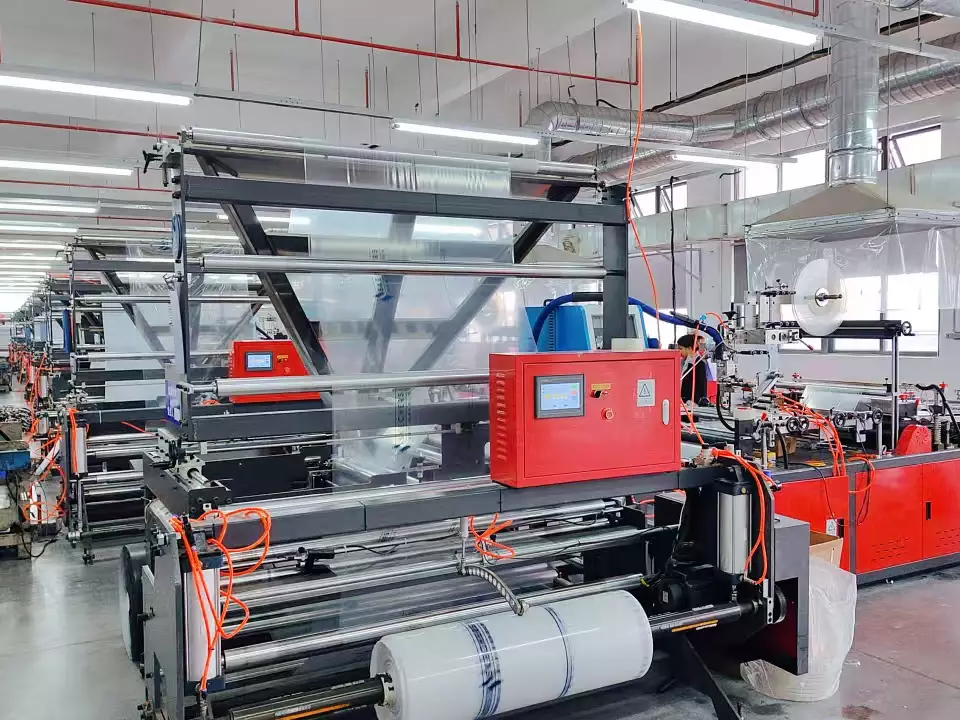
Once mass production commences, sustaining color uniformity across thousands of impressions demands continuous technical oversight. High-speed industrial presses generate friction and heat, which can gradually alter ink viscosity and transfer rates if left unmonitored. To combat this, advanced manufacturing facilities utilize automated spectrophotometers and densitometers to monitor ink density in real-time. This technology allows press operators to make micro-adjustments to the ink wells without halting the production line, ensuring that every batch of printed poly mailer bags maintains exact visual fidelity.
As a dedicated B2B suppliers with 15 years of specialized courier bag manufacturing expertise, WH Packing implements strict in-house quality control measures grounded in ISO certification standards. Their direct oversight of the entire production cycle—from raw material procurement and film extrusion to high-speed printing—enables them to maintain strict color tolerances, helping ensure that the first bag off the line closely matches the millionth.
Strategic Alignment for Reliable Supply Chain Aesthetics
Securing long-term brand integrity requires establishing clear communication and technical alignment with a capable packaging partner. Enterprise buyers should provide comprehensive brand guidelines and physical color swatches whenever possible to establish a clear baseline.
Additionally, agreeing upon tolerance levels for acceptable color variation—often measured as delta-E limits—provides a quantifiable standard for both the buyer and the manufacturer. Direct collaboration with a vertically integrated suppliers facilitates transparent dialogue regarding these technical parameters. When a facility manages the entire operation, from customizing the resin formulation to the final automated bag conversion, they possess the agility to fine-tune the process at its core. This comprehensive control reduces the likelihood of cross-batch color drift and supports reliable delivery for critical logistics timelines.
Elevating Corporate Logistics Through Precision Packaging
Achieving flawless brand presentation within global logistics networks is a collaborative engineering effort. Resolving the complexities of ink adhesion, substrate variations, and high-speed press dynamics is necessary for producing uniform packaging at a commercial scale. By partnering with an established manufacturer like WH Packing, procurement directors gain access to the technical expertise and stringent quality controls required to mitigate production risks effectively.
Taking a proactive, science-based approach to color management ensures that every customized run of printed poly mailer bags accurately reflects the organization’s corporate identity. This disciplined methodology ultimately transforms routine logistics supplies into reliable, high-quality brand assets that support widespread enterprise growth and operational efficiency.
