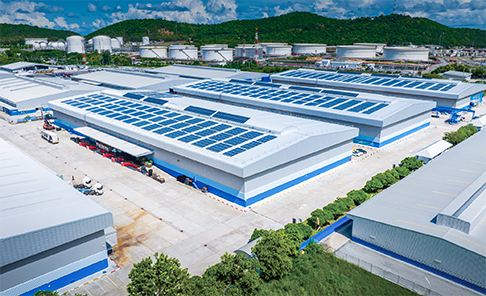
As commercial and industrial energy demands grow more complex, the shift toward advanced thermal management in battery energy storage systems has accelerated. One standout innovation is liquid cooling energy storage for C&I, which replaces traditional air cooling with more efficient liquid-based temperature regulation. This technology is particularly relevant for energy storage solutions for industrial parks, where high power loads, prolonged peak hours, and significant electricity price differences create a strong case for smarter storage. Brands like Dyness, a specialist in the R&D, production, and sales of energy storage systems, are now integrating liquid cooling into their C&I offerings to enhance performance and longevity.
Why Liquid Cooling Outperforms Air Cooling in C&I Settings
Traditional air-cooled BESS units often struggle with heat dissipation during high-density charge and discharge cycles. Liquid cooling energy storage for C&I systems use a circulating coolant to maintain uniform cell temperatures, reducing thermal runaway risks and extending battery life. For industrial parks with long operating hours and heavy machinery, this means higher round-trip efficiency and lower degradation rates. Dyness leverages liquid cooling to enable compact system designs that deliver stable output even under continuous, high-load conditions—critical for manufacturing plants and logistics hubs.
Boosting ROI for Industrial Parks Through Peak Shaving and PV Integration
Energy storage solutions for industrial parks must address two core needs: reducing electricity costs and increasing renewable energy usage. With China’s large peak-to-valley price differences, liquid-cooled BESS allows parks to store energy during low-cost periods and discharge during peak hours, cutting demand charges and capacity fees. Additionally, these systems enhance on-site solar PV self-consumption, helping enterprises meet carbon reduction targets. Dyness’ liquid-cooled C&I units are designed for seamless integration with existing distributed generation, offering industrial users a scalable path to lower emissions and operational expenses.
Closing Thoughts: A Thermal Shift for Smarter C&I Storage
The transition to liquid cooling marks a practical evolution in commercial and industrial energy storage. For industrial parks seeking reliable, long-lasting, and efficient energy storage solutions for industrial parks, adopting liquid cooling energy storage for C&I translates directly into lower bills, safer operations, and greener credentials. As a dedicated player in this space, Dyness continues to advance liquid-cooled BESS technology, helping C&I users turn energy flexibility into a competitive advantage.
