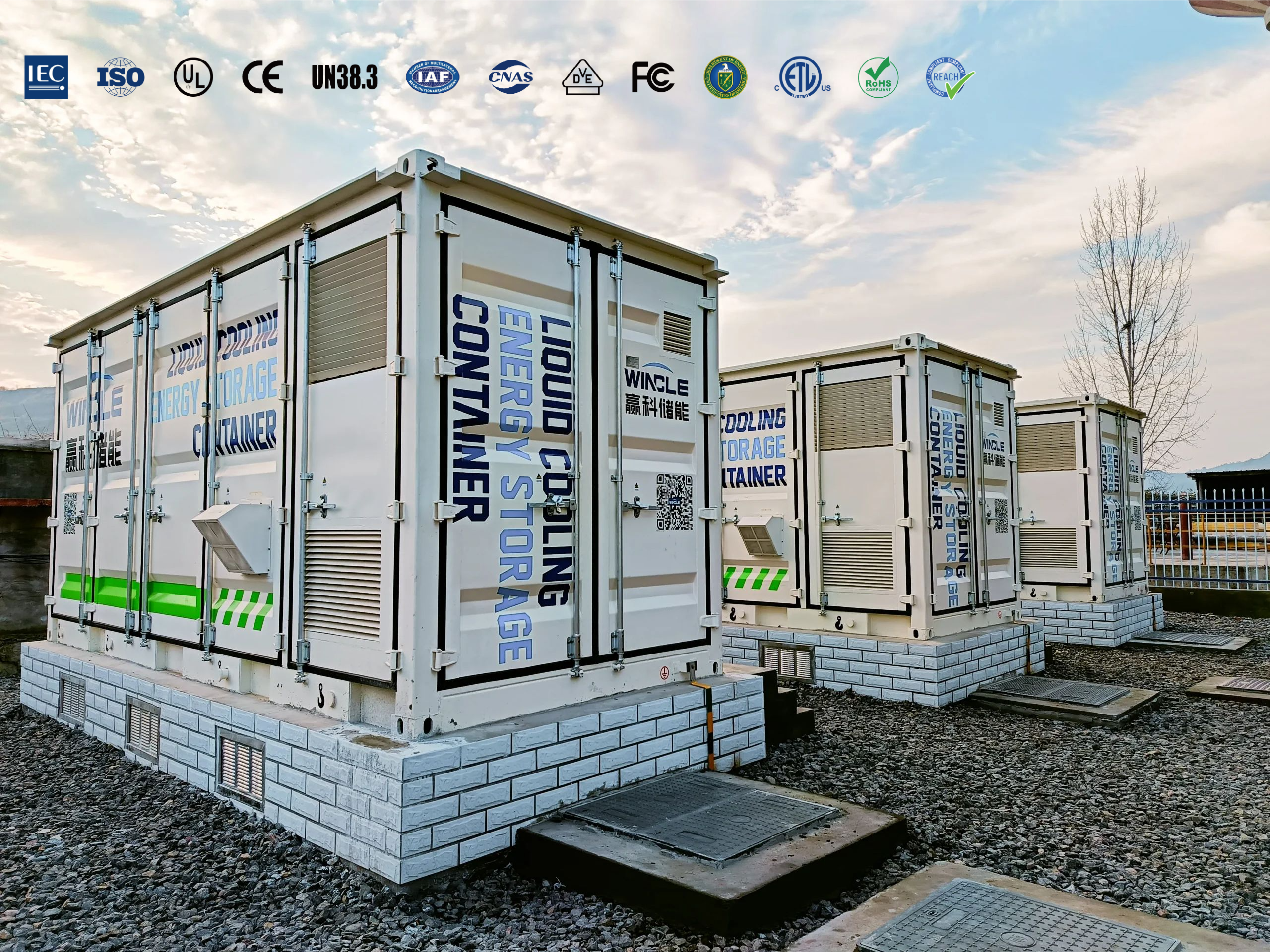
As the demand for renewable energy continues to surge, utility-scale battery storage systems have emerged as a vital solution for enhancing grid stability and optimizing energy consumption. A growing number of businesses and utility providers are recognizing the potential of these systems to facilitate the integration of renewable resources like solar and wind power. This article will explore the characteristics and benefits of utility-scale battery storage, emphasizing the role of utility-scale battery storage companies, particularly Wenergy, in this transformative sector.
An Overview of Utility-Scale Battery Storage
Utility-scale battery storage systems are large-scale energy storage solutions designed to store excess energy generated by renewable sources and release it during peak demand. These systems play a crucial role in balancing supply and demand, thus enhancing grid reliability and efficiency. By absorbing excess energy when generation exceeds demand—often during peak renewable production periods—and discharging it when demand surges, these systems significantly contribute to grid stability.
Utility-scale battery storage typically employs containerized battery energy storage systems (BESS), making them modular and scalable to fit various project requirements. Wenergy, for instance, offers customized solutions that can be tailored to specific energy profiles and operational needs. With over 15 years of experience in the industry, Wenergy has positioned itself as a leader among utility-scale battery storage companies, providing innovative solutions that support a wide range of applications—from on-grid to off-grid and hybrid systems.
One significant advantage of utility-scale battery storage is its ability to enhance the return on investment (ROI) for renewable energy projects. By optimizing energy usage and reducing reliance on fossil fuel-based generation during peak periods, businesses can achieve considerable savings while promoting sustainability.
Applications and Benefits of Utility-Scale Battery Storage
Utility-scale battery storage systems find applications across various sectors, including renewable energy integration, grid support, and emergency backup. For utility providers, these systems can mitigate the intermittency associated with renewable energy sources. For instance, during cloudy or calm conditions, stored energy can be dispatched to ensure continuous power supply, thus minimizing potential disruptions to service.
Moreover, utility-scale battery storage systems help in deferring infrastructure costs associated with expanding grid capacity. By optimizing existing grid resources, they significantly offset the need for additional generation and transmission infrastructure. This translates into cost savings for utility companies and ratepayers alike.
Wenergy’s containerized solutions exemplify the flexibility and scalability needed in utility-scale applications. These systems can effectively integrate with various power sources, including solar and wind, thereby enabling a seamless transition to cleaner, renewable energy. With features that allow for storage during low-demand periods and deployment during peak usage times, Wenergy’s systems actively contribute to enhancing grid stability and maximizing the efficacy of renewable investments.
Empowering the Energy Transition
Understanding utility-scale battery storage is essential for businesses and utility providers aiming for a sustainable energy future. The systems, powered by advanced technology and tailored solutions offered by utility-scale battery storage companies like Wenergy, provide a solid foundation for integrating renewable energies into the power grid. As businesses seek innovative ways to balance energy generation and consumption, the role of utility-scale battery storage will only continue to grow.
With its commitment to delivering effective and scalable solutions, Wenergy plays a pivotal role in facilitating the energy transition. By leveraging utility-scale battery storage to enhance grid reliability and support renewable energy integration, stakeholders can achieve their sustainability goals while ensuring optimal energy management and service reliability.
