The modern home and personal care industries rely heavily on specialized chemical components to achieve cleaning results. As consumer expectations rise, formulators face pressure to source high-performance raw materials. At the core of these sophisticated formulations lies the intricate chemistry of anionic surface-active agents. These compounds are fundamental to removing dirt, suspending particulates, and generating foam in consumer and industrial applications, from dishwashing liquids to floor cleaners.
Understanding the molecular dynamics behind these ingredients provides valuable insight for brands developing new, competitive product lines. Procuring high-quality raw materials requires strategic collaboration with a highly capable surfactant manufacturers company that understands complex chemical synthesis at a global scale.
Through advanced continuous processing capabilities and extensive laboratory research, Zanyu operates as a critical supplier in this global supply chain, providing the foundational ingredients necessary for effective, modern cleaning solutions.
Molecular Mechanics of Anionic Agents
Anionic surface-active agents are characterized by a unique molecular structure featuring a negatively charged hydrophilic head and a long hydrophobic tail. This specific chemical architecture allows the molecules to interact simultaneously with water and oil-based soils. When introduced to an aqueous environment, the hydrophobic tails bind to grease and particulate matter, while the negatively charged heads remain strongly attracted to the surrounding water molecules. This interaction effectively lifts the soil from the substrate, suspending it safely in the wash solution to be rinsed away.
The negative charge also creates an electrostatic repulsion between the suspended particles, preventing them from redepositing onto cleaned fabrics or hard surfaces. Such properties make anionics particularly effective for heavy-duty cleansing applications. Formulators carefully select specific anionic variations based on desired foaming profiles, hard water tolerance, and skin sensitivity. For example, Sodium Lauryl Ether Sulfate provides excellent foaming and milder skin interaction compared to standard linear alkylbenzene sulfonates. The precise synthesis of these diverse molecules is a complex task that demands highly controlled manufacturing environments.
Production Scale and Synthesis Protocols
The industrial production of these chemical components typically involves highly sophisticated sulfonation or sulfation processes. Raw materials, derived from either petrochemical origins or renewable oleochemical feedstocks like palm kernel oil, undergo continuous reactions with sulfur trioxide gas. Controlling the exact thermodynamic parameters of this reaction—including precise temperature management, raw material feed rates, and aging times—is crucial for minimizing unwanted byproducts and maximizing the yield of the primary active ingredient.
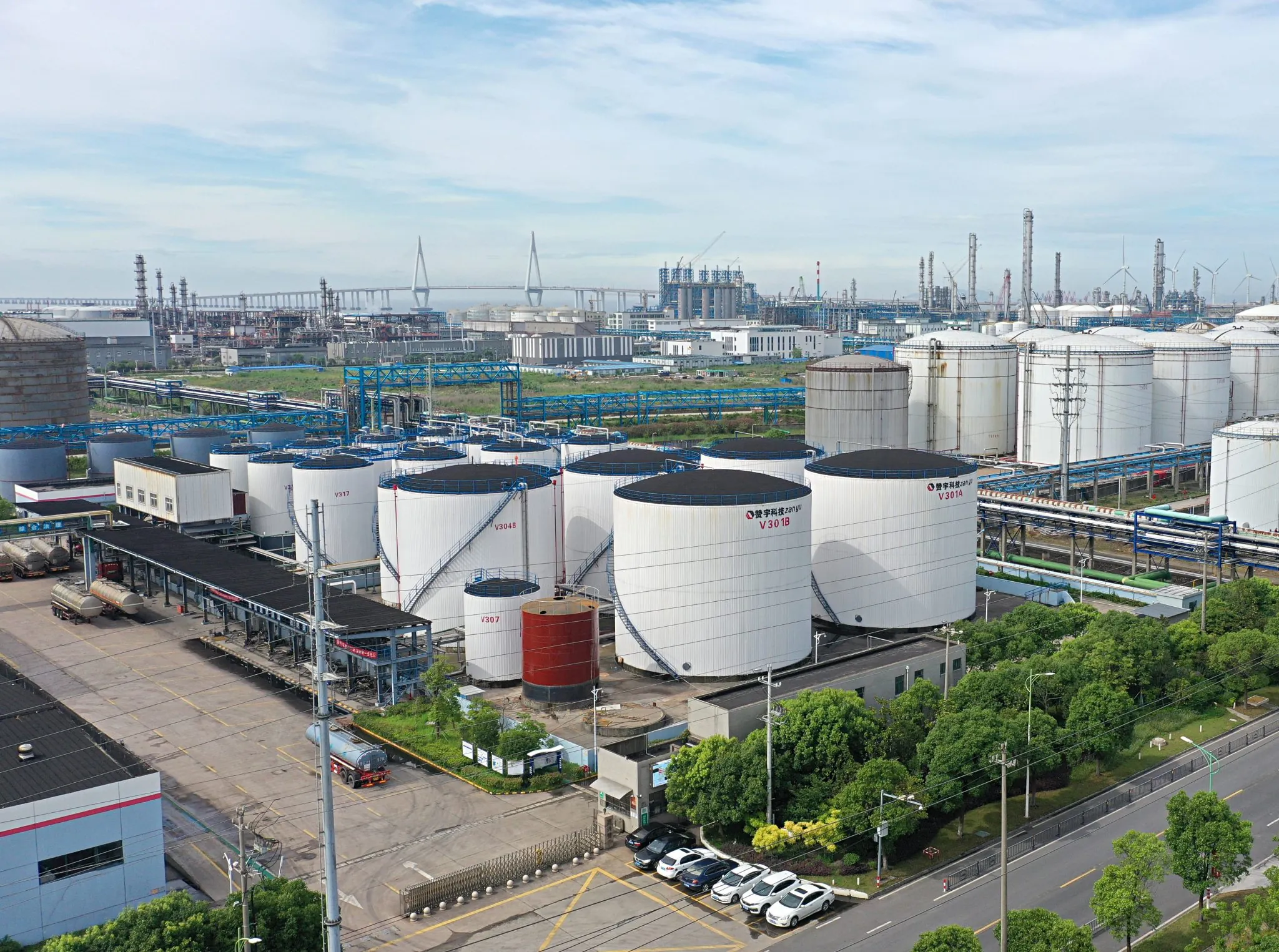
Leading surfactant manufacturers invest heavily in specialized falling film reactor technology to maintain this control over continuous, large-scale production runs. The ability to maintain chemical stability across massive volumes is a defining characteristic of top-tier industry players. Demonstrating substantial capability, Zanyu manages an impressive capacity, generating over 1.3 million tons of surface-active agents annually. This extensive physical infrastructure allows them to produce ubiquitous anionic variants in vast quantities, catering to international market demands with impressive efficiency and reliable output schedules.
Quality Standardization Within a Surfactant Manufacturers Company
Maintaining consistent chemical specifications is vital for buyers who rely on precise raw materials for their proprietary end products. Minor variations in active matter concentration, unsulfated material levels, or pH balances can drastically alter the performance, viscosity, and shelf-stability of a final consumer detergent.
Additionally, strict regulatory landscapes require close monitoring of trace impurities, such as 1,4-dioxane, to ensure end-user safety and environmental compliance.
Therefore, rigorous quality assurance protocols are non-negotiable for primary chemical suppliers. A proficient surfactant manufacturers company implements comprehensive analytical testing at multiple stages of the synthesis process, analyzing color metrics, active component percentages, and microbiological purity before shipment. Operating facilities certified to international standards, including ISO 9001 for quality management and ISO 14001 for environmental management, provides buyers with a verifiable layer of assurance regarding operational consistency.
Zanyu integrates these rigorous analytical methodologies to ensure their bulk chemical outputs reliably meet stringent technical specifications. This commitment to standardization helps downstream formulators minimize their own production variables, thereby reducing costly batch rejections and safeguarding their brand reputation.
Formulating with Concentration Flexibility
Beyond basic chemical purity, delivery‑format flexibility shapes industrial procurement and supply‑chain logistics. Different downstream production lines require unique raw‑material handling characteristics.
Large liquid‑detergent facilities prefer 70% high‑active concentrated pastes. They reduce shipping weight by removing extra water, allowing manufacturers to dilute on‑site.
By contrast, smaller plants without high‑shear mixing use pre‑diluted 28% active liquids for easy tank integration. Reliable surfactant manufacturers meet such diverse logistical demands via multiple concentration grades and commercial packaging.
Available options include plastic drums, intermediate bulk containers and isotank bulk shipments. Matching delivery to buyers’ equipment supports stable chemical partnerships. Formulators also rely on consistent anionic surfactant supplies to create synergistic blends with nonionic and amphoteric co‑surfactants for better cleaning performance.
Sourcing Strategies for End-Product Success
Navigating the intricate complexities of anionic chemistry requires more than just basic scientific knowledge; it demands a strategic approach to raw material sourcing. The core performance of any final cleaning or personal care product is directly tied to the molecular integrity and consistency of its foundational chemical ingredients.
By aligning with a technologically advanced and financially stable supply partner, consumer brands can secure the high-performing components necessary to formulate distinctive, effective, and commercially viable products. Through robust production facilities and an unwavering focus on chemical consistency, Zanyu continues to provide the essential molecular building blocks supporting the global cleaning industries.
