Medium- and long-chain triacylglycerols (MLCT) represent one of the most significant innovations in functional lipid science. By combining medium-chain fatty acids (MCTs) with long-chain fatty acids within a single triglyceride molecule, MLCT offers a unique nutritional profile that bridges rapid energy metabolism with sustained nutritional support. This article explores the diverse applications of MLCT structured lipids and how enzymatic interesterification technology is enabling their commercial production.

Understanding the MLCT Advantage
MLCT structured lipids combine the best of both worlds. Medium-chain fatty acids—typically caprylic acid (C8) and capric acid (C10)—are absorbed directly into the portal vein and rapidly oxidized, providing quick energy without significant fat storage. Long-chain fatty acids, on the other hand, deliver essential fatty acids and sustained nutritional support.
The key innovation lies in the positional distribution of these fatty acids on the glycerol backbone. In MLM-type MLCTs, medium-chain fatty acids occupy the outer (sn-1,3) positions while a long-chain fatty acid resides at sn-2. This design optimizes rapid portal oxidation while preserving the bio-functional signaling of long-chain fatty acids.
Key Application Areas for MLCT
Sports Nutrition and Weight Management
MLCT has emerged as a valuable ingredient in sports nutrition products. The rapid oxidation of medium-chain fatty acids provides an immediate energy source for athletes, while the long-chain components contribute to sustained energy release. Clinical studies have demonstrated that MLCT consumption can limit weight gain, normalize insulin concentrations, and reduce hepatic fat deposition in high-fat diet models.
The reduced caloric density of MLCT oils—approximately 5–7 kcal/g compared to 9 kcal/g for conventional oils—adds further appeal for weight-conscious consumers.
Clinical and Enteral Nutrition
MLCT has found significant applications in clinical nutrition, particularly in enteral and parenteral nutrition formulations. The combination of rapid energy delivery from medium-chain components with essential fatty acid provision from long-chain fatty acids makes MLCT ideal for patients with compromised digestive function or metabolic disorders.
Products designed for Food for Special Medical Purposes (FSMP) increasingly incorporate MLCT as a core nutritional lipid, with applications ranging from post-surgical recovery to metabolic disease management.
Infant Nutrition and Specialized Formulations
The structural similarity between MLCT and certain components of human milk fat has driven interest in its application for infant formula. OPO (1,3-dioleoyl-2-palmitoyl glycerol), a specialized structured lipid mimicking human milk fat, represents one of the most established commercial applications in this category.
The Production Advantage: Enzymatic Interesterification
The commercial production of MLCT relies on enzymatic interesterification, a technology that offers significant advantages over chemical methods. Lipases—biological catalysts with specific positional selectivity—enable precise control over fatty acid placement on the glycerol backbone.
MLCT can be produced through various routes:
- Acidolysis: Reaction between MCT oil and long-chain fatty acid-rich oils
- Esterification: Direct esterification of fatty acids with glycerol
- Interesterification: Rearrangement of fatty acids between different triglyceride molecules
Among these, enzymatic interesterification using immobilized lipases—such as Lipozyme RM IM or TL IM—has emerged as the preferred industrial approach, delivering high yields with minimal by-product formation.
Case Example: Coconut Oil + High-Oleic Sunflower Oil
One of the most practical approaches to MLCT production uses coconut oil as the medium-chain source combined with high-oleic sunflower oil as the long-chain source. The resulting MLCT delivers a balanced fatty acid profile with rapid energy metabolism from the MCT component and cardiovascular benefits from the oleic acid-rich fraction.
Commercial Landscape and Industry Progress
MLCT production has seen significant commercial development globally. Japan’s Nisshin OilliO pioneered early MLCT commercial oils, while the Bunge Loders Croklaan has introduced NuliGo for sports nutrition and active aging applications. In China, major players including Wilmar have launched MLCT products for both consumer and industrial applications.
Recent research on MLCT has expanded to explore α-linolenic acid (ALA)-enriched variants, produced through enzymatic interesterification of coconut oil with flaxseed oil or perilla oil. These formulations deliver both the rapid energy benefits of MLCT and the omega-3 advantages of ALA.
Partnering for MLCT Production Success
The successful implementation of MLCT production requires specialized equipment and deep process knowledge. From enzyme selection and reaction optimization to product purification and quality control, each stage demands precision and experience.
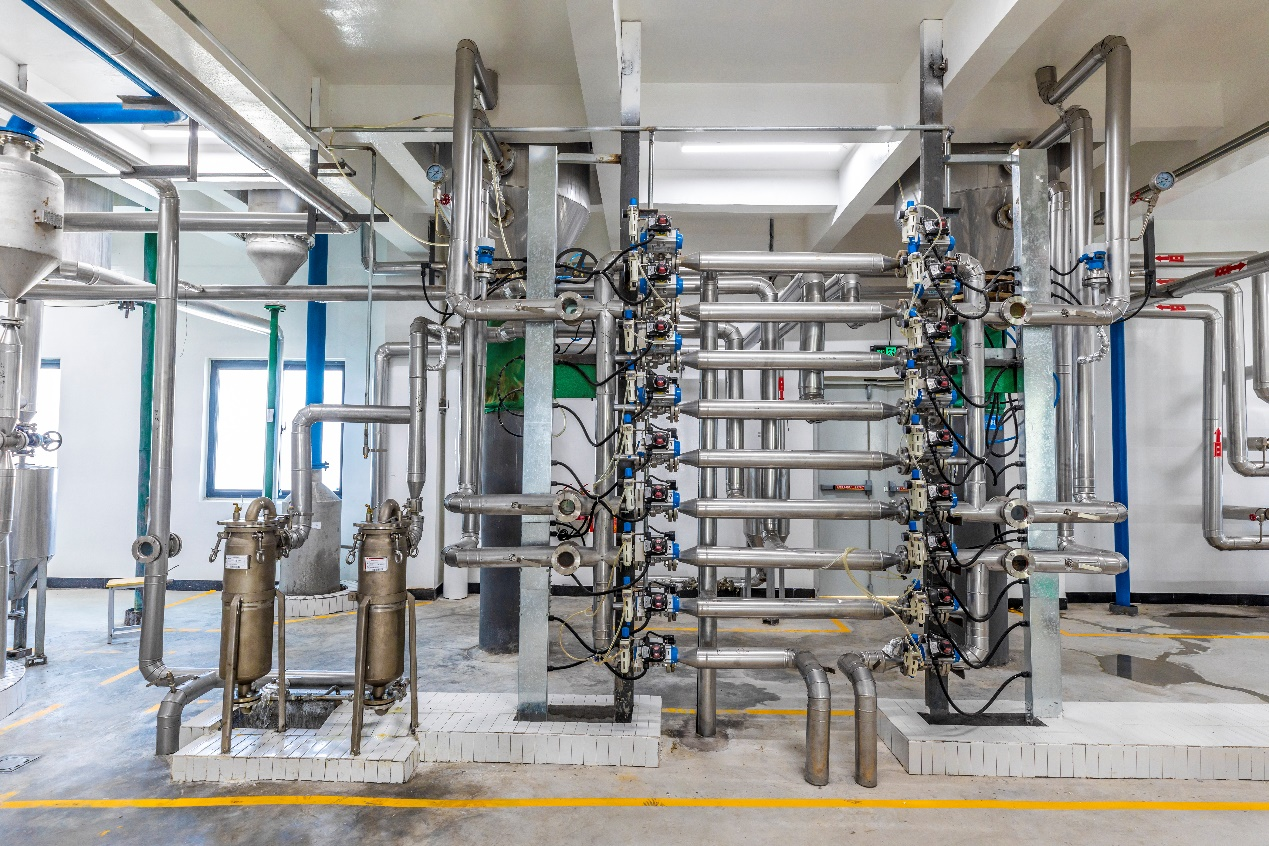
At Ocean, we provide comprehensive solutions for functional lipid production, including enzymatic interesterification systems tailored to MLCT manufacturing. Our expertise in edible oil processing and specialized lipid production enables clients to enter this growing market with confidence. Together, we can help you unlock the potential of MLCT structured lipids and capture emerging opportunities in functional nutrition.
