Manufacturing plants pursuing absolute structural integrity across multi-layer sheet assemblies must master the foundational physics of electrical joining. Joint creation relies on localized heat generation driven by high current passing through workpiece electrical resistance, melting contact points within milliseconds.
Mastering this scientific domain prevents common defects like expulsion, internal porosity, or structural cracking during high-speed production runs. Plant engineers require comprehensive clarity on hardware classifications and sector applications to eliminate trial-and-error costs on the factory floor.
Fundamental Mechanics and Core Physical Principles
Joule heating governs every operational cycle, quantifying thermal output through electrical current squared multiplied by resistance and duration. Controlling this microsecond-scale thermodynamic reaction demands high-precision power supplies equipped with instantaneous closed-loop feedback loops.
Secondary sensors capture voltage and current fluctuations directly at the electrode interface, adjusting output parameters before thermal runaway compromises the nugget. Mathematical precision ensures that structural uniformity remains uncompromised across high-speed runs.
Interfacial contact resistance creates the primary localized heat source necessary for successful nugget formation between overlapping metal sheets. Surface oxidation, micro-asperities, and material cleanliness dictate initial resistance values that shift dynamically as metal softens and fuses.
Advanced controllers track these minute variations, ensuring uniform thermal distribution despite minor surface inconsistencies or coating weight variations. Metallurgical bonding relies heavily on maintaining stable pressure and optimal current density throughout the squeeze phase.
Electrical conductivity differences among non-ferrous metals like aluminum or copper demand specialized waveform programming to prevent thermal imbalance. Unmanaged current delivery frequently results in rapid electrode degradation and inconsistent joint strength across high-volume automotive and battery production cells.
Operators leverage tailored energy pulses to match specific metallurgical melting points without causing unwanted workpiece warping or structural degradation. Careful thermal management protects adjacent zones from microstructural softening.
Primary System Classifications and Hardware Variants
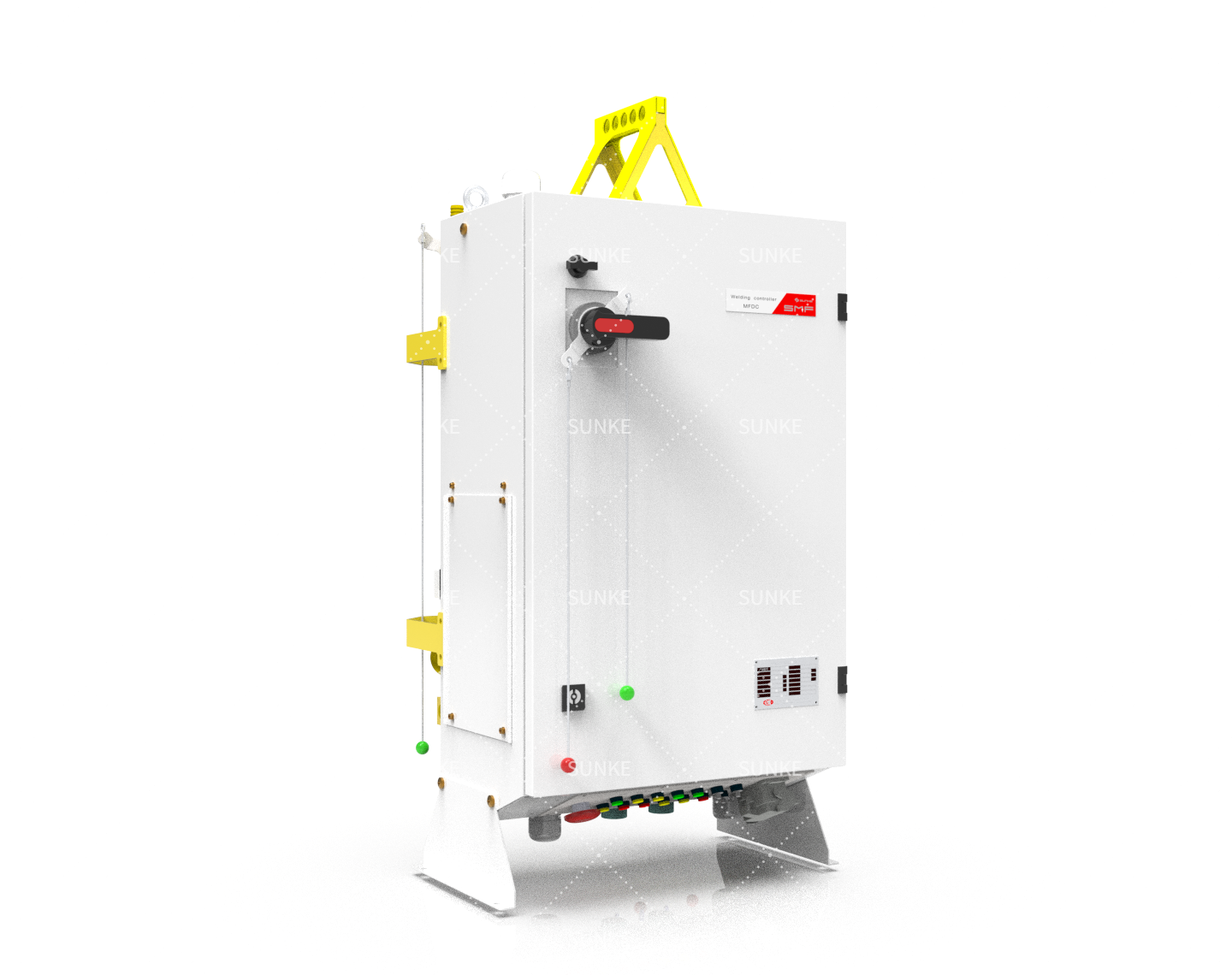
Medium-frequency inverter direct current systems represent the gold standard for heavy industrial sheet metal fabrication and automotive assembly lines. Transforming incoming three-phase AC power into stable direct current eliminates low-frequency power factor issues while drastically shrinking transformer footprints.
Such high-frequency switching enables microsecond response times, offering precise energy control over complex multi-material assemblies. Factory managers appreciate the substantial energy savings achieved through high-efficiency power conversion architectures.
Capacitor discharge hardware delivers alternative operational advantages tailored for high-speed projection welding and precision micro-joining tasks. Rapidly discharging stored electrical energy into a concentrated burst allows plants to join sensitive electronic components without transferring excessive heat to surrounding zones.
Minimizing thermal diffusion protects delicate subassemblies, making storage-based systems indispensable for delicate electronics manufacturing. Rapid energy release prevents heat-affected zone expansion in heat-sensitive components.
AC controllers remain relevant for general-purpose applications requiring robust, cost-effective joining performance under less stringent cycle time constraints. Modern engineering teams evaluate these distinct machine architectures carefully against specific shop-floor requirements, production volumes, and capital expenditure targets. Selecting robust resistance welding technology ensures long-term operational stability without frequent component failures or unexpected maintenance overhead.
High-Demand Industrial Sectors and Assembly Use Cases
Automotive body-in-white fabrication relies entirely on multi-axis robotic spot welding cells executing thousands of precise joints per vehicle shift. Automated force-feedback mechanisms synchronize mechanical clamping pressure precisely with electrical current initiation to guarantee crashworthiness and structural reliability.
Rigorous quality logging tracks every single weld cycle, fulfilling strict traceability standards demanded by global regulatory authorities. Vehicle safety ratings depend directly on consistent nugget formation at every structural seam.
Battery pack manufacturing introduces unique technical hurdles involving thin copper tabs, aluminum foils, and high-conductivity terminal connections. Specialized resistance welding solutions prevent destructive overheating while establishing low-resistance electrical pathways critical for modern electric vehicle energy storage.
Precise parameter tuning neutralizes dissimilar metal challenges, safeguarding delicate internal battery chemistry against thermal damage. Clean electrical connections reduce internal resistance and maximize battery pack efficiency.
Electrical appliance and motor manufacturing sectors utilize automated projection joining to secure fasteners, terminals, and copper magnet wires reliably. High-speed resistance systems execute clean, repeatable joints without requiring hazardous chemical fluxes, shielding gases, or heavy filler wires.
Clean manufacturing environments significantly lower facility ventilation overhead while enhancing overall shop-floor safety conditions. Operator safety improves substantially when toxic fumes and open electric arcs are completely eliminated from the workstation.
Strategic Execution and Partnering for Industrial Success
Deploying advanced automated joining lines requires rigorous upfront parameter verification, sample testing, and metallographic laboratory analysis. Factory integration teams must validate controller compatibility with existing factory execution systems, industrial fieldbuses, and programmable logic controllers.
Comprehensive pre-production testing eliminates costly commissioning delays and guarantees seamless multi-shift operational performance from day one. Thorough validation protects capital investments from unexpected technical incompatibilities.
Sunke develops advanced resistance welding technology entirely in-house, covering controller hardware, embedded firmware, and custom transformer manufacturing. This vertically integrated approach ensures exceptional component reliability and gives engineering teams the flexibility to customize power configurations and cooling methods. Rigorous in-house testing procedures maintain strict quality standards across every manufactured assembly module.
Industrial manufacturers partnering with Sunke gain access to robust resistance welding solutions backed by decades of specialized engineering experience. Global technical support networks ensure rapid response times, minimizing unexpected line stoppages and optimizing long-term production yield. Experienced applications engineers provide valuable guidance during tooling design and complex parameter optimization stages.
Securing sustainable competitive advantage in modern metal fabrication demands uncompromising equipment repeatability, precise energy control, and expert vendor collaboration. Sunke provides resistance welding equipment and control solutions designed to support consistent welding performance across a range of industrial applications. Long-term operational success ultimately rests upon selecting field-proven hardware platforms designed to withstand rigorous multi-shift production environments.
