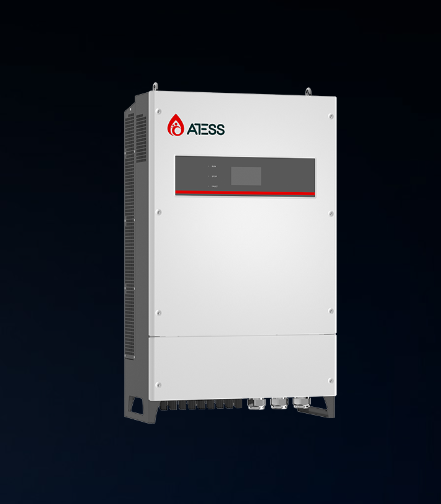
Financial and technical assessments often focus on the long-term utility of energy hardware when facility managers evaluate their infrastructure options. By analyzing the functionality of a hybrid inverter, stakeholders can determine how these units support consistent power availability and energy independence for industrial or commercial sites.
Assessing Financial and Operational Value
Investment decisions require a review of how a hybrid solar inverter impacts daily energy costs. These systems allow for a managed approach to electricity, utilizing stored energy during peak times to reduce demand charges. For organizations managing high-load facilities, a hybrid inverter offers a predictable method for controlling utility expenditures. They find that the hardware facilitates a more balanced power profile, which remains a primary goal for those aiming to optimize operational budgets over time.
Technical Performance and Flexibility
Operational flexibility remains a crucial factor when integrating renewable energy into established electrical grids. A hybrid solar inverter provides the necessary interface between solar arrays, battery storage, and grid connections. When they implement this technology, they benefit from a centralized management system that coordinates energy flow automatically. The versatility of a hybrid inverter ensures that facilities remain prepared for variations in generation or local consumption needs, making the hardware a functional asset for various energy storage configurations.
Evaluating Long-term System Viability
Sustainability in power infrastructure often depends on the reliability of the core conversion technology. The data provided by an Atess hybrid solar inverter helps facility managers track efficiency and system health throughout the lifecycle of the installation. By maintaining these high-performance units, they ensure that the initial capital outlay translates into sustained energy savings. This systematic approach to power management provides a clear path for projects that require both stability and efficiency, allowing for a structured transition toward more capable energy configurations.
Careful analysis confirms that the inclusion of advanced power equipment provides tangible benefits for industrial energy management. By focusing on utility, efficiency, and operational stability, professionals confirm the value of these systems. This methodical evaluation ensures that energy infrastructure supports organizational goals effectively and reliably.
