Electric cars rely on high-voltage batteries for propulsion, yet their electronic controls often depend on a separate low-voltage supply. Door locks, control modules, displays, and safety-related circuits need electricity before the traction system becomes active. Failure in this smaller power network can leave a vehicle unresponsive despite sufficient driving range.
For engineers asking what does an auxiliary battery do, the answer begins with vehicle readiness. It supplies low-voltage loads and helps activate the systems needed to connect the traction battery. Its role is different from that of a starter battery in a conventional combustion-engine vehicle.
Why the Main Battery Cannot Work Alone
The traction battery normally operates at a much higher voltage than the vehicle’s electronic accessories. Directly connecting those accessories to the traction pack would require a different electrical architecture. The low-voltage network gives established components a suitable supply and separates their operation from high-voltage propulsion circuits.
When an electric vehicle is parked, selected functions may remain available. Security electronics, remote unlocking, and monitoring modules can require low-voltage energy.
During vehicle wake-up, control modules check operating conditions before permitting high-voltage contactors to close. These electrically operated switches connect the traction pack to the relevant power circuits. Without sufficient auxiliary voltage, the control sequence can fail even when the propulsion battery retains charge.
Once the high-voltage system is active, a DC-DC converter commonly supplies the low-voltage network and recharges the auxiliary battery. Charging control must match the battery chemistry and vehicle design. The smaller battery remains important during transitions, interruptions, and periods when the converter is inactive.
Which Functions Depend on Low-Voltage Power?
Vehicle responsiveness includes more than the ability to move. Drivers expect locks to release, screens to illuminate, and control units to communicate promptly. These functions depend on electrical power reaching the appropriate modules when requested, although their individual supply paths differ between vehicle platforms.
Safety-related equipment also needs careful consideration. Depending on the architecture, low-voltage circuits support sensors, warning functions, and control electronics. Engineers should distinguish essential loads from comfort features and determine which functions must remain available during a traction-system shutdown.
The question what does an auxiliary battery do becomes especially important during faults. A weak auxiliary supply can cause unsuccessful wake-up attempts, communication errors, or interrupted electronic functions. Similar symptoms may have other causes, so service teams should measure voltage under load and inspect connections before replacing the battery.
Response time is not determined by capacity alone. Voltage stability, internal resistance, wiring condition, and the vehicle’s control strategy affect how electronic systems behave. Testing should include parked conditions, repeated wake-up requests, and transitions between active and inactive power states.
What Should OEM Teams Check Before Selection?
Nominal voltage is the starting point. Vehicle manufacturers must also assess usable energy, expected current demand, charging limits, installation space, and operating temperature. A replacement should not be approved solely because its case fits the original battery compartment or carries a matching voltage label.
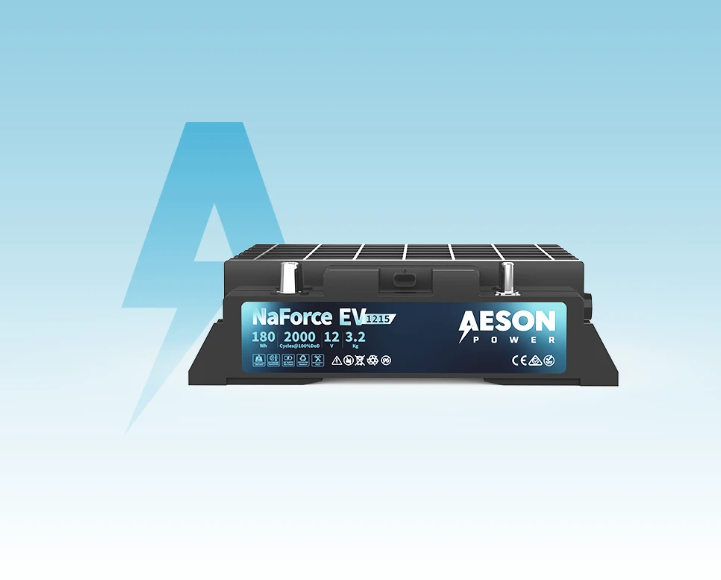
For example, Aeson Power offers the 1215 auxiliary battery for electric passenger cars. Its stated specifications are 12V, 180Wh, dimensions of 265 × 180 × 75 mm, and weight of 3.2 kg. The model lists CAN/CANFD communication, which makes communication compatibility another requirement for platform assessment.
Battery communication involves more than matching a protocol name. Engineers need to confirm the messages, signals, diagnostic behavior, and control expectations used by the vehicle. Integration testing should cover normal charging, fault reporting, low-voltage warnings, and recovery after extended parking.
The search for companies making sodium ion batteries should therefore include technical documentation and application support. Procurement teams need clear evidence for a specific model rather than general statements about chemistry. Test reports, dimensional drawings, communication details, and agreed acceptance criteria provide a useful basis for comparing suppliers.
How Chemistry Affects Practical Evaluation
Lead-acid, lithium-ion, and sodium-ion batteries can all serve low-voltage applications when correctly engineered. Their charging behavior, weight, temperature response, and protection requirements differ. Comparisons should use equivalent operating conditions and account for the complete battery assembly, not cell chemistry in isolation.
Cold-weather evaluation is particularly relevant because available power and charge acceptance can change with temperature. Testing should reproduce the vehicle’s expected winter conditions, including parked periods and wake-up demand. High-temperature assessment also matters where the battery sits near equipment that generates heat.
Cycle life and maintenance costs deserve similar scrutiny. Teams should define expected operating cycles, acceptable capacity loss, replacement procedures, and warranty terms. A longer stated service life has limited value unless the test method reflects the vehicle’s real usage pattern.
Buyers comparing companies making sodium ion batteries should also examine batch consistency and delivery support. Sample testing is useful, but production qualification should verify repeatable electrical behavior, inspection records, and traceability. These checks matter for vehicle programs where changes to one component affect a larger service network.
Keeping the Vehicle Ready for Use
Reliable auxiliary power depends on correct electrical matching, sound installation, and a charging strategy that supports the expected driving cycle. The practical answer to what an auxiliary battery does is that it maintains power for the low-voltage control network when the vehicle needs to respond.
For buyers reviewing sodium-ion battery manufacturers, Aeson Power offers sodium-ion solutions for automotive applications, including the 1215 auxiliary battery for electric passenger cars. Contact the company with vehicle voltage, load requirements, installation drawings, and communication specifications to discuss product suitability.
