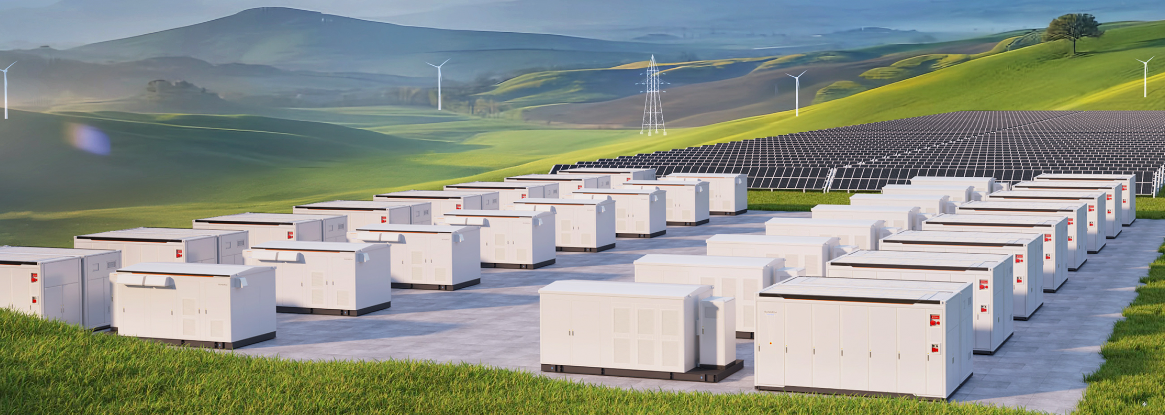
The rapid expansion of renewable energy has driven significant deployment of utility-scale energy storage systems, where large-capacity batteries play a central role in grid stability and energy shifting. As installations scale up, safety engineering becomes a core requirement rather than an optional feature. Among the most critical safety elements, advanced fire suppression systems help safeguard assets, maintain operational continuity, and reinforce investor confidence in utility-scale battery storage projects.
Early Detection and Risk Containment in ESS Facilities
Modern utility-scale energy storage systems are composed of densely arranged battery clusters, making thermal management and early hazard detection essential. Advanced fire suppression systems are designed to identify abnormal temperature rises or electrical faults at an early stage, enabling rapid response before issues escalate.
Within utility-scale battery storage environments, these systems provide layered protection by isolating affected zones and limiting propagation risks. This reduces the likelihood of system-wide outages and protects high-value infrastructure, ensuring that safety mechanisms scale alongside growing energy capacity.
Enhancing Operational Continuity and Project Efficiency
Beyond safety, integrated fire suppression strategies contribute to smoother project execution for utility-scale energy storage systems. When combined with structured delivery processes, they help reduce delays during commissioning and grid connection phases.
Sungrow applies a comprehensive execution model supported by a professional PMO team covering contract management, production, delivery, installation, commissioning, and grid integration. Pre-delivery system-level commissioning can save one to two weeks of on-site work, while systematic certification simplifies certain on-site tests. These measures improve deployment efficiency for utility-scale battery storage projects while maintaining strict safety compliance.
Supporting Long-Term Safety and Asset Reliability
Long-term performance of utility-scale energy storage systems depends heavily on stable operation under varied environmental and load conditions. Advanced fire suppression systems contribute to this stability by minimizing downtime risks and protecting core components from thermal incidents.
For developers and operators of utility-scale battery storage, integrating robust safety systems enhances asset resilience and helps ensure consistent energy delivery across the project lifecycle. This directly supports improved return on investment and strengthens overall system reliability.
Integrated Execution and Safety Value with Sungrow
Sungrow provides a holistic approach to utility-scale energy storage systems, combining advanced engineering practices with efficient project execution capabilities. Through its Triple-E Tech framework, Sungrow focuses on enabling earlier COD, higher ROI, and streamlined delivery.
By integrating professional project management, pre-delivery commissioning, and systematic certification processes, Sungrow helps reduce installation complexity and improve deployment timelines for utility-scale battery storage projects. This integrated approach ensures that advanced fire suppression systems and ESS infrastructure work together to deliver safer, more efficient, and more reliable energy storage solutions.
