Dental laboratories entering digital production often face a terminology challenge. Words such as CAD design, additive manufacturing, metal printing, and digital workflow appear frequently, but their practical meaning can be unclear. Understanding these concepts is essential because each term represents a different stage or responsibility within modern dental manufacturing.
A dental 3d printing service is not simply a machine-based production step. It represents a coordinated process that connects digital design data, printing technology, materials, and manufacturing expertise. For laboratories evaluating digital solutions, understanding these fundamentals helps laboratories make better decisions about production methods and supplier cooperation.
Understanding What a Dental 3D Printing Service Actually Includes
A professional dental 3D printing service generally refers to a manufacturing solution where dental designs are converted into physical components through additive technologies. The service may involve equipment operation, data preparation, material management, and production support depending on the provider’s capabilities.
The starting point is usually digital dental data. Laboratories or clinics create restoration designs through CAD software, generating files that contain the required shape information. These files become the foundation for the printing process.
Dental printing providers transform this digital information into manufactured parts using suitable printing technologies. For metal restorations, selective laser melting (SLM) is a commonly used additive manufacturing method because it uses laser energy to build metal components layer by layer.
The terminology can also describe different business models. Some laboratories purchase their own equipment and manage production internally, while others cooperate with specialized manufacturers that provide equipment, software support, or production services.
Core Terms Used in Dental Additive Manufacturing
Digital dentistry relies on several connected concepts. CAD refers to computer-aided design, where technicians create restoration models digitally instead of manually shaping physical materials. The resulting design data guides later manufacturing steps.
CAM, or computer-aided manufacturing, describes the preparation of production instructions from digital designs. In a dental workflow, CAM software helps organize printing parameters and manufacturing strategies before production begins.
Additive manufacturing describes a production method that creates objects by adding material layer by layer. Unlike traditional machining methods that remove material from a block, additive processes build components according to digital instructions.
SLM is a metal additive manufacturing technology frequently associated with dental applications. It uses a laser to selectively melt metal powder, creating dense metal structures based on a prepared digital model. Terms related to powder materials, scanning strategies, support structures, and post-processing are commonly used alongside SLM discussions.
A 3d printing manufacturing company usually refers to an organization that develops or provides additive manufacturing equipment and related production solutions. In dental fields, such companies may focus specifically on digital workflows, printing systems, materials, and technical services.
How Digital Data Moves Through a Dental Printing Workflow
The connection between terminology and production becomes clearer when viewed through the workflow. The process begins with digital design preparation. A dental technician creates or receives a three-dimensional model that defines the restoration structure.
Next, the design data is prepared for printing. This stage involves checking model placement, selecting suitable parameters, and arranging the production file. Accurate preparation is important because digital errors can influence the final manufacturing result.
After preparation, the printer creates the physical component. Different materials and printing technologies require different production conditions. Metal dental parts may involve additional procedures after printing, such as cleaning, support removal, or finishing processes.
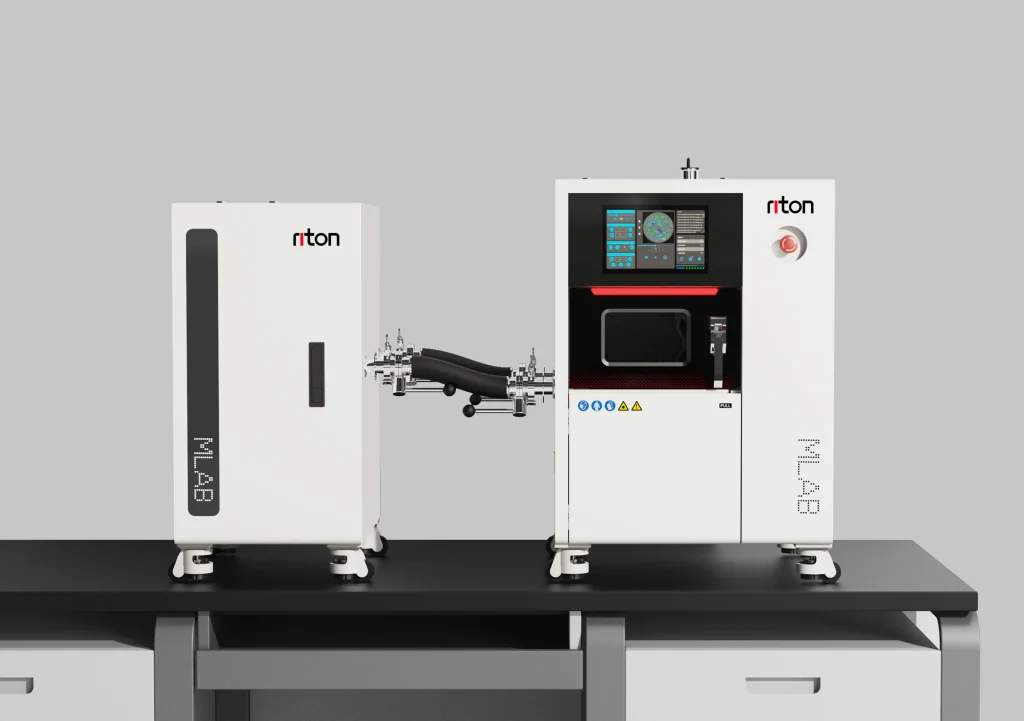
Riton focuses on digital dental solutions that connect equipment, materials, and workflow requirements. According to its company information, Riton provides dental equipment and materials, along with training and technical support services, supporting laboratories that are building digital manufacturing processes.
The final stage involves inspection and finishing before the component enters the next step of dental production. Understanding this sequence helps laboratories recognize why each technical term represents a specific production responsibility rather than a simple industry keyword.
Why Choosing the Right Manufacturing Partner Matters
Selecting a suitable provider requires more than comparing individual machines. Dental laboratories need to understand how equipment, software, training, and technical support work together within daily operations.
A reliable 3D printing manufacturing company should understand dental production requirements rather than only general industrial printing. Dental workflows involve specific design expectations, material considerations, and communication between technicians, equipment, and software systems.
Riton has developed digital dentistry solutions based on its experience with laser technology and dental manufacturing. Its company history describes involvement in dental metal 3D printing development and digital solutions for the dental industry.
Terminology knowledge also improves communication between laboratories and suppliers. A technician who understands concepts such as digital design preparation, printing parameters, and post-processing can better evaluate whether a proposed workflow matches production needs.
The growth of digital manufacturing does not remove the importance of technical expertise. Instead, it changes where expertise is applied. Modern dental production depends on combining digital tools with manufacturing knowledge to achieve predictable workflows.
Conclusion
Understanding dental 3D printing terminology helps laboratories move from simply using digital equipment to managing a complete manufacturing workflow. Concepts such as CAD, CAM, additive manufacturing, and SLM describe different parts of the production chain, each affecting the final outcome.
A dental 3D printing service should therefore be viewed as a complete digital manufacturing process rather than only a printing operation. Clear knowledge of these concepts allows dental businesses to communicate effectively with suppliers, evaluate solutions, and build more efficient production strategies.
Keeping pace with the evolution of digital dentistry requires more than just hardware; companies with a strong understanding of both the underlying technology and industry terminology may be better equipped to weave additive manufacturing into their everyday routines.
