Selecting a manufacturing partner for winter eyewear requires more than comparing unit prices. Product samples reveal how goggles fit, how lenses perform, and whether construction matches the proposed specification. For brand owners and distributors, these details affect customer complaints, returns, and future orders.
A ski goggles supplier should also explain how sample approval connects with production checks and relevant market requirements. Buyers need a repeatable evaluation process, especially when ordering customized colors, straps, lenses, or packaging for different sales channels.
What Should Buyers Request Before Sampling?
The first request should describe the intended users and conditions. Goggles for skiing and snowboarding may need different fit checks from products used with snowmobiles. Buyers should identify helmet use, prescription glasses, lens preferences, and the expected retail market.
Next, the inquiry should specify which elements need customization. Logo placement, strap artwork, frame color, lens choice, and packaging influence sample preparation.
Buyers can ask for a sample specification sheet showing the selected materials, lens construction, and accessories. The sheet should distinguish standard features from optional changes.
This keeps the purchasing team and factory aligned before tooling or volume production begins.
Which Sample Details Matter During Testing?
Lens clarity deserves direct inspection under varied lighting. Reviewers should look through the lens toward straight lines and distant objects to check for noticeable distortion. They should also compare tint and perceived brightness against the agreed sample specification.
Fit testing should involve the helmet types and prescription glasses expected among customers. For OTG products, check pressure around the temples and nose, as well as space between prescription lenses and the goggle lens.
Fog management deserves a separate review. Double-lens construction, ventilation, and anti-fog treatments work together, but performance can vary with humidity, exertion, and temperature differences. Testing should use documented conditions instead of an informal claim that a lens never fogs.
Replacement mechanisms should be tested repeatedly, particularly when lenses are magnetic. Buyers should check attachment, removal, alignment, and retention under the intended activity conditions.
How Can Product Features Be Checked Against Claims?
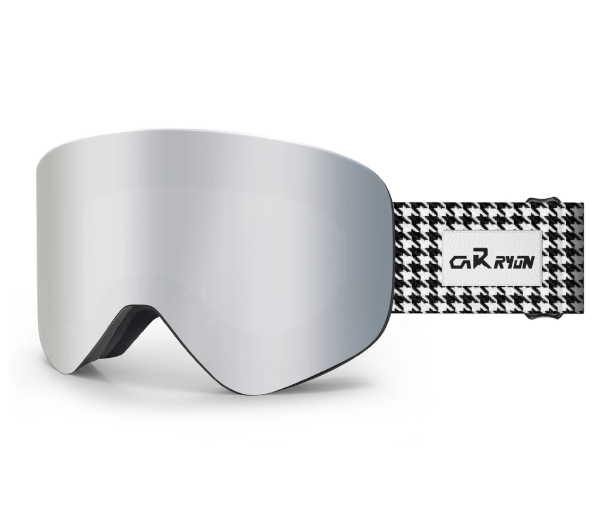
One practical example is the YH879C model offered by YIJIA Optical. It combines a cylindrical double lens, anti-fog treatment, UV400 protection, and a magnetic lens system. Its flexible TPU frame and triple-layer face foam address fit and comfort considerations during winter sports.
The model also supports OTG use, helmet compatibility, ventilation, and custom logos, straps, lenses, and packaging. Each requested configuration should appear in the approval record rather than being assumed from a general product description.
When sourcing wholesale ski goggles, purchasers should separate design claims from measurable outcomes. Lens transmission can be tested with suitable equipment, while impact and fogging evaluations require defined methods. A stated feature should be linked to an agreed inspection criterion.
Review frame flexibility, foam attachment, strap stitching, and lens edges on multiple samples. Consistent observations are more useful than broad descriptions such as “premium quality.”
What Does a Useful QC Plan Include?
Incoming checks should confirm that lenses, frames, straps, and packaging materials match the approved specifications. Buyers should agree on how nonconforming materials will be isolated and documented.
During assembly, inspection can focus on lens seating, frame condition, strap attachment, foam placement, and cosmetic defects. For magnetic designs, the factory should verify that the replacement lens is properly installed and remains secure under the specified checks.
A ski goggles supplier should use an agreed sampling method, defect classification, and acceptance criteria. The report should state the order quantity, inspected quantity, findings, and corrective actions.
YIJIA Optical reports using light-transmission, impact, anti-fog, and tensile testing equipment, alongside pre-shipment QC checks. The factory states a seven-day sample dispatch target and a 25–30-day mass-production period.
Which Standards and Documents Require Attention?
Market requirements depend on where the goggles will be sold and how they are marketed. Buyers should identify the applicable eyewear regulations and test standards for each destination. General factory credentials do not replace evidence that a specific product meets its requirements.
Test reports should identify the tested model, lens configuration, standard edition, laboratory, and result. When requesting CE-related documentation for the European market, buyers should also verify the applicable conformity assessment and product labeling obligations, rather than accepting a logo alone.
For wholesale ski goggles, documentation should travel with the approved configuration. Changes to lens materials, coatings, or construction may affect whether earlier results remain applicable. Request clarification before treating one model’s report as evidence for another version.
Shipping records should include the final specification, approved artwork, inspection report, and agreed packing details.
How Should the Final Supplier Decision Be Made?
Choosing a ski goggles supplier is ultimately a comparison of documented capability, not sales language. Buyers should assess whether samples match the brief, QC criteria are clear, and product records support market claims. Pricing and delivery dates matter alongside those checks.
Before purchasing wholesale ski goggles, request one consolidated approval package and confirm who signs it off. The package should connect the selected sample, customization details, test evidence, inspection plan, and delivery schedule. This makes later production decisions easier to verify.
