Mountain camping encompasses a remarkably diverse spectrum of outdoor experiences, ranging from minimalist alpine bivnies carried deep into the backcountry to expansive, vehicle-supported basecamps established at high altitudes for multi-day expeditions. Because these use cases demand vastly different structural engineering, selecting the right shelter requires a careful evaluation of weight, setup methodology, weather resistance, and spatial requirements. A comprehensive examination of current car camping equipment highlights how modern engineering bridges the gap between vehicle mobility and rugged mountain durability, ensuring campers are well-prepared for unpredictable alpine environments.
Defining the Scope of Mountain Shelters
The categorization of mountain tents often blurs the boundary between lightweight trekking shelters and heavy-duty basecamp headquarters. Outdoor equipment manufacturers like THECATAL design specialized products tailored specifically to how travelers approach their destinations, bridging the gap between portable backcountry gear and vehicle-integrated shelters.
When planning a high-altitude trip, distinguishing between gear meant to be packed on foot and structures anchored directly to a vehicle is critical. This distinction dictates overall weight distribution, transportation feasibility, weather durability, and camp setup duration.
Focusing on vehicle-compatible setups allows outdoor enthusiasts to transport robust materials and spacious multi-room layouts that would otherwise be impractical to carry in a backpack.
Core Offerings in Vehicle-Supported Basecamps
Examining specialized product lines reveals distinct architectural approaches to high-altitude and vehicle-based camping. Two prominent models exemplify this category: the Boundary Series Smart Shell and the Boundary Series Magic Fort.
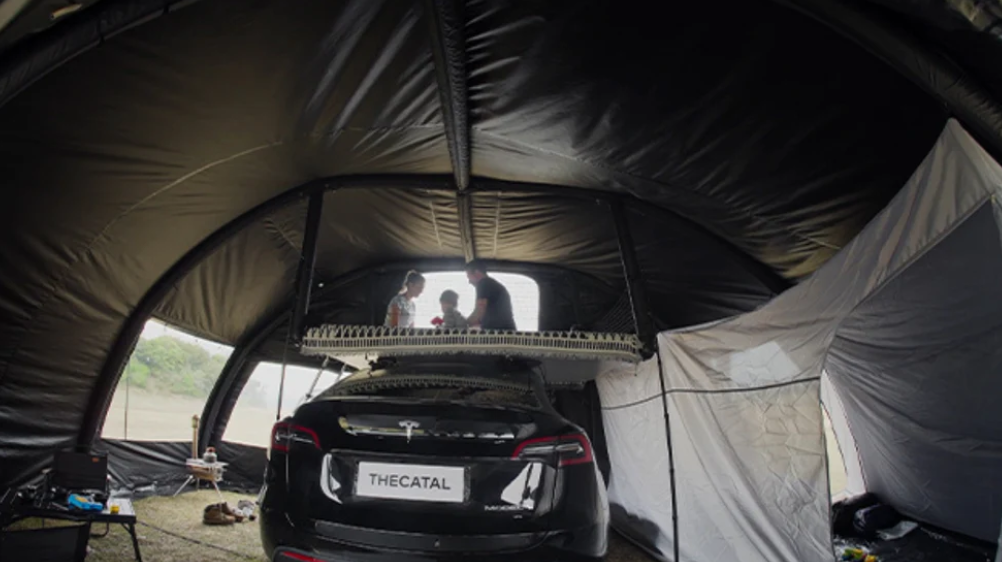
The Smart Shell is a specialized tailgate-style shelter engineered for four-season use. Utilizing a precision-engineered connection sleeve, it attaches directly to the rear of a vehicle, transforming the automobile into an integrated component of the campsite. Constructed from silicone-coated ripstop 70D nylon, the structure weighs approximately 26 pounds (12 kg) and is built to withstand rigorous weather conditions.
Its vehicle attachment system accommodates both gasoline-driven automobiles and electric vehicles, offering a versatile shelter solution for campers who want to eliminate the need to pitch a freestanding tent from scratch at every new destination. Priced at $1,299, it caters to travelers seeking durable, vehicle-integrated protection without excessive bulk.
In contrast, the Magic Fort adopts a much larger scale, functioning as a duplex-designed, multi-room basecamp tent. Offering approximately 484 square feet of interior space, it is engineered to provide distinct zones for sleeping, gear storage, and social gathering during extended stays at fixed mountain locations. Its heavy-duty construction is fully waterproof, windproof, snow-proof, and heat-resistant, ensuring reliable performance in severe alpine weather.
Furthermore, the tent features a two-way zipper design on both sides that enables compatibility with heating devices, accompanied by integrated ventilation ports designed to safely release exhaust gases when a heater is operational. Priced at $4,599, the Magic Fort is tailored for groups or expeditions requiring maximum living space and advanced climate control capabilities.
Advantages: Interior Volume and Weather Resilience
Large-format basecamp shelters offer undeniable advantages for extended mountain trips, particularly regarding interior space and weather performance. Unlike compact backpacking tents where headroom is severely limited, a spacious mountain camping tent like the Magic Fort allows campers to stand upright, organize extensive gear inventories, and maintain separate living areas. This structural capacity significantly improves comfort during multi-day stays, especially when inclement weather forces campers to spend extended periods indoors.
Weather-resistant construction is another major benefit. The integration of silicone-coated ripstop fabrics, reinforced seams, and sturdy framing ensures that these shelters withstand heavy rain, high winds, and accumulating snowpack. For cold-weather environments, features such as heater-compatible zipper configurations and dedicated exhaust venting transform a freezing campsite into a manageable, climate-controlled environment.
Meanwhile, vehicle-attached designs like the Smart Shell eliminate the physical labor of repetitive tent pitching, allowing travelers to establish a secure, weather-sealed living space within minutes of parking.
Disadvantages: Weight, Portability, and Trade-Offs
Despite their impressive performance and comfort, vehicle-supported mountain tents involve significant trade-offs that buyers must consider carefully. Portability is the most notable limitation. Neither the Smart Shell nor the Magic Fort is designed for human-powered transport.
The Smart Shell’s 26-pound weight and robust fabric construction make it entirely unsuited for backpacking trips where every ounce matters. Similarly, the extensive footprint and multi-room architecture of the Magic Fort restrict its deployment to locations directly accessible by vehicle.
Financial investment is another critical factor. With a retail price of $1,299 for the Smart Shell and $4,599 for the Magic Fort, these products sit well above entry-level camping gear. Buyers must evaluate whether the expanded square footage, vehicle integration, and four-season engineering justify the higher upfront cost.
Furthermore, feature complexity introduces additional maintenance requirements. Multi-room layouts incorporate numerous fabric panels, zippers, and seams, while heater-compatible configurations require vigilant inspection to ensure safe operation. Campers must regularly check and maintain these components to prevent wear and tear over repeated excursions.
Conclusion: Matching Shelter Design to Trip Objectives
Choosing the appropriate mountain shelter ultimately depends on the specific logistics of the journey. Trips centered around vehicle transport and fixed basecamps benefit immensely from the durability, spacious interiors, and advanced climate features of heavy-duty shelters.
Conversely, long-distance expeditions requiring travel on foot demand lightweight, minimalist alternatives. By carefully assessing weight specifications, fabric durability, and intended use cases, outdoor enthusiasts can select a shelter that aligns perfectly with their operational needs in the mountains.
