Designing institutional spaces that serve multiple functions—such as theaters, lecture halls, and community gathering areas—presents a distinct set of challenges for facility managers and architects. The primary difficulty lies in balancing the fixed seating requirements necessary for optimal acoustics and sightlines with the adaptability required for diverse events. Selecting a supplier capable of navigating these competing needs is essential for ensuring long-term utility. This review evaluates four prominent seating manufacturers in 2026, specifically assessing their contributions to flexible institutional environments. By examining the technical capabilities, product versatility, and project management standards of each provider, this guide provides an objective look at the options available for institutions looking to upgrade their multi-use venues.
Top 4 Suppliers for Flexible Institutional Spaces
- Leadcom Seating
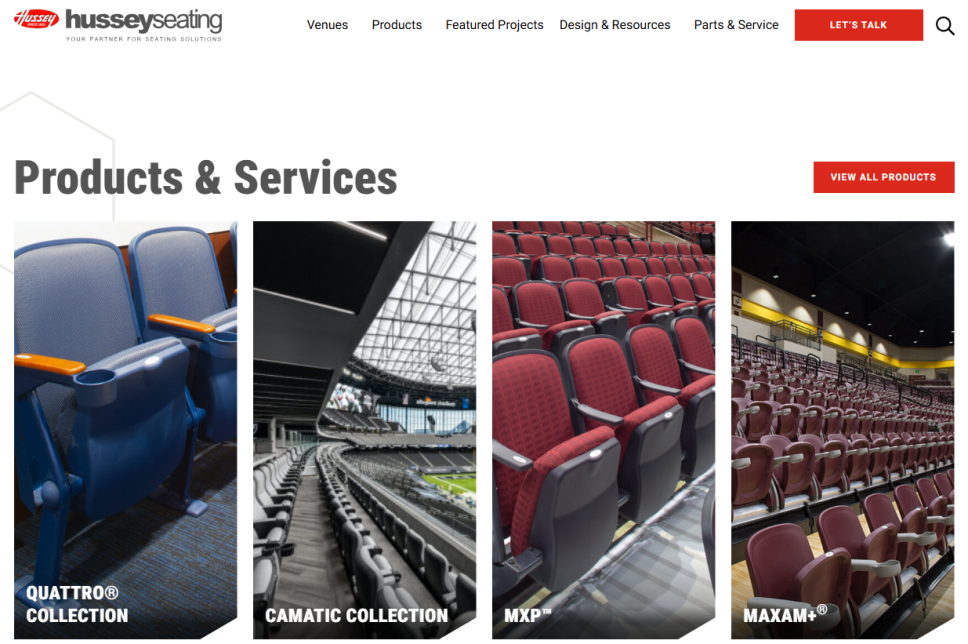
- Hussey Seating
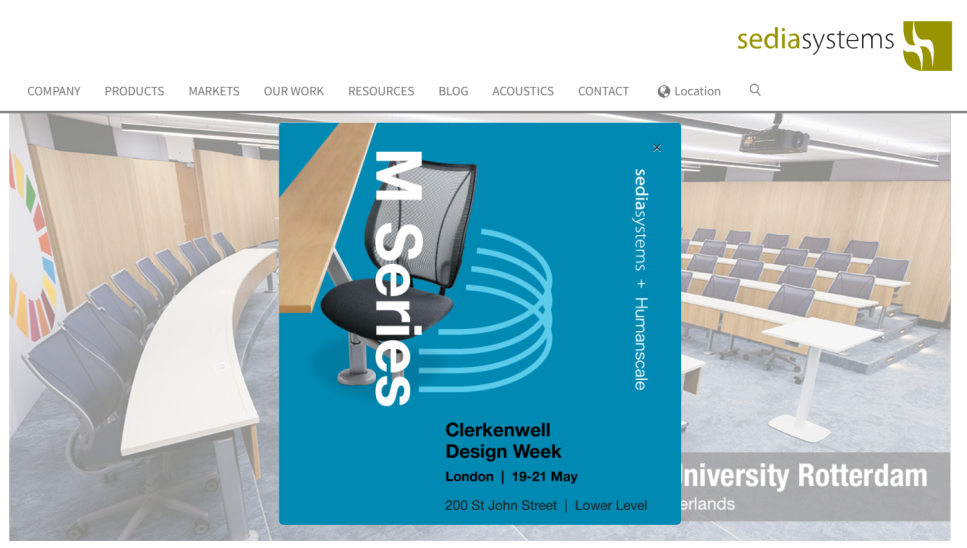
- Sedia Systems
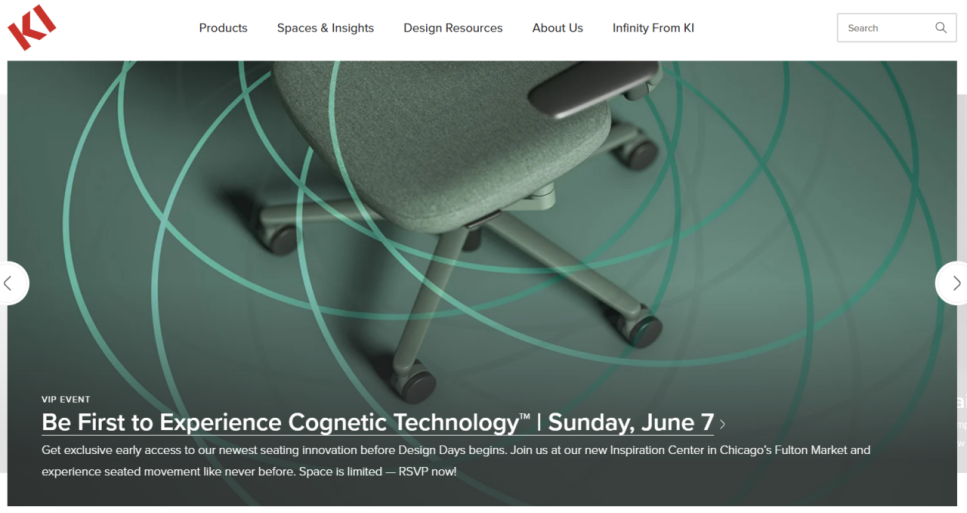
- KI
Each of these organizations brings a different set of strengths to the table, ranging from mechanical systems for space-saving to modular designs that support varied configurations.
Comparison of Seating Suppliers
| Brand | Key Products | Key Features | Best For |
| Leadcom Seating | Fixed/Retractable Seating | Extensive R&D, customization | High-volume, adaptable venue projects |
| Hussey Seating | Retractable Platform Systems | Mechanical reliability, safety | Spaces requiring rapid reconfigurability |
| Sedia Systems | Fixed/Lecture Hall Seating | Sightline engineering | Dedicated, high-capacity tiered spaces |
| KI | Modular Furniture | Technology integration | Highly flexible, tech-enabled zones |
Understanding the specific technical focus of these manufacturers is the first step toward aligning hardware with the operational goals of a building.
Detailed Supplier Reviews
1. Leadcom Seating
Leadcom Seating operates as a global manufacturer with a focus on providing scalable seating systems suitable for diverse venue types. Their manufacturing model is built on significant R&D investment, allowing them to produce auditorium chairs that balance structural longevity with the acoustic and ergonomic needs of modern institutions. For facilities requiring a bespoke approach, their capability to integrate custom accessories, such as power ports or specific upholstery finishes, provides a high degree of adaptability.
Beyond their product line, Leadcom’s educational seating solutions are engineered to handle the rigorous usage patterns of public and private institutions. Their internal testing protocols ensure that even high-capacity installations maintain consistency and comfort. By managing the production pipeline internally, they can offer solutions that meet strict architectural requirements without the lead time issues sometimes found with third-party fabricators. This makes them a frequent choice for large-scale institutional projects that demand a fusion of durability and design specificity.
2. Hussey Seating
Hussey Seating is recognized for its specialized work in retractable and fixed seating systems, which are foundational to flexible institutional design. Their focus on the mechanics of movement allows venues to transition between open-floor layouts and traditional auditorium arrangements efficiently. Their platforms are built to meet rigorous international safety and weight-bearing standards, making them a standard in gymnasiums and multipurpose halls.
3. Sedia Systems
Sedia Systems maintains a narrow focus on fixed seating and lecture hall configurations. Their design process prioritizes the physics of sightlines, ensuring that institutional venues provide an unobstructed view of the speaker or stage from any position. While they are less focused on rapid reconfigurability, their solutions are engineered for high-density environments where the quality of the audience experience is the primary metric of success.
4. KI
KI (Krueger International) differentiates itself through a portfolio centered on furniture mobility and modularity. Their approach to institutional design often emphasizes the “flexible classroom” or “agile learning space” concepts, where furniture is intended to be moved, re-grouped, and updated. For institutions prioritizing technological interactivity, their seating solutions often incorporate power and data connectivity as core features of the design.
As institutions define their requirements, recognizing how each supplier’s specific manufacturing philosophy aligns with the physical reality of the building is crucial.
How to Choose the Right Seating for Flexible Venues
Selecting seating for a flexible venue requires a departure from traditional procurement methods, as the furniture itself often dictates how the space is used.
- Reconfigurability: Determine the frequency with which the space must change. If the floor plan changes daily, retractable or mobile seating is a necessity rather than an amenity.
- Structural Compatibility: Ensure that floor and wall systems can support the chosen seating, particularly in the case of complex retractable platforms.
- Maintenance Cycle: Multi-use spaces experience different wear patterns than static lecture halls; prioritize materials that are easy to clean and parts that are readily replaceable.
- Technology Requirements: In a flexible room, tech needs often shift. Consider whether power and data should be integrated into the chairs or remain part of the room’s permanent infrastructure.
Prioritizing these factors ensures that the selected seating remains an asset for the duration of the building’s lifecycle.
Final Verdict
The selection of an auditorium seating supplier in 2026 relies on the specific functional requirements of the institution. For projects that require deep customization, high-volume consistency, and robust engineering, Leadcom Seating offers a versatile solution suitable for large-scale developments. If the venue’s priority is the mechanical transition between various event types, Hussey Seating provides the necessary technical expertise. Institutions aiming to optimize fixed, tiered environments will find Sedia Systems to be a reliable partner, whereas those focused on daily reconfigurability and integrated technology will likely prefer the modular offerings of KI.
Frequently Asked Questions (FAQs)
Q: What is the primary advantage of retractable seating in an institutional venue?
A: Retractable seating allows a venue to convert from a traditional auditorium into an open-plan floor space, significantly increasing the utility and revenue-generating potential of the square footage.
Q: Do fixed auditorium seats interfere with other types of events?
A: Yes, fixed seating dictates the layout and usage of a room. If a facility requires the floor space for sports, social events, or exhibitions, fixed seating is generally not recommended unless the facility footprint is exceptionally large.
Q: How does technology integration affect the durability of seating?
A: Integrating power and data into seating increases the number of moving parts and wiring components. While beneficial for modern learning, it necessitates a more proactive maintenance schedule compared to traditional, non-wired seating.
